Advanced engineering specifications optimized for global clinical environments and commercial supply chains.
The macro-environment for rehabilitative infrastructure and durable medical equipment (DME) is undergoing an unprecedented structural transition. Propelled by global demographic shifts—specifically the escalating "silver economy" where the World Health Organization estimates the population over 60 will double to 2.1 billion by 2050—the clinical requirement for sophisticated mobility hardware has shifted from basic mechanical solutions to highly optimized, anthropometrically precise, and electronically integrated systems.
Global regulatory agencies, including the European Medical Device Regulation (MDR) and the United States Food and Drug Administration (FDA), have substantially heightened compliance thresholds. This regulatory transformation demands that modern mobility devices exhibit documented biological safety, structural integrity via advanced finite element analysis, and explicit risk mitigation profiles. Consequently, institutional buyers, international procurement groups, and distributors are recalibrating their supply networks, migrating toward industrial manufacturing partners capable of balancing stringent regulatory conformity with massive, scalable output.
China's preeminence as the foundational manufacturing epicenter for global mobility aids is anchored in unmatched industrial cluster efficiency and deep technological integration. Unlike fragmented manufacturing ecosystems in alternative regions, Chinese production nodes—predominantly concentrated within the industrial corridors of Guangdong and Hebei—realize complete structural optimization across the entire production lifecycle. This encompasses raw-material preparation (such as high-tensile 6061-T6 aluminum alloys and medical-grade polymers), computerized precision machining, robotic gas tungsten arc welding, and advanced electrochemical surface finishes.
This concentrated ecosystem eliminates transaction frictions and supply chain vulnerabilities. Turnaround times for customized tooling are compressed by up to 65% relative to Western counterparts. Furthermore, advanced automation within Chinese factories—such as automated CNC tubing configurations and real-time electronic assembly testing—ensures a minimized defect distribution curve while achieving optimal economies of scale. Global enterprises profit directly from this structural compression, capturing higher operating margins and predictable delivery velocities even during periods of volatile maritime logistics.
An objective analysis of standard-setting operational mechanics, global engineering philosophies, and rigorous quality validation protocols.
Guangzhou LDO Medical Co., Ltd., a leading player in the medical equipment manufacturing sector, is headquartered in Guangzhou, Guangdong Province. As a professional manufacturer dedicated to the research, development, and production of high-quality medical equipment, the company boasts a cutting-edge production system and advanced manufacturing processes, supported by years of deep industry experience.
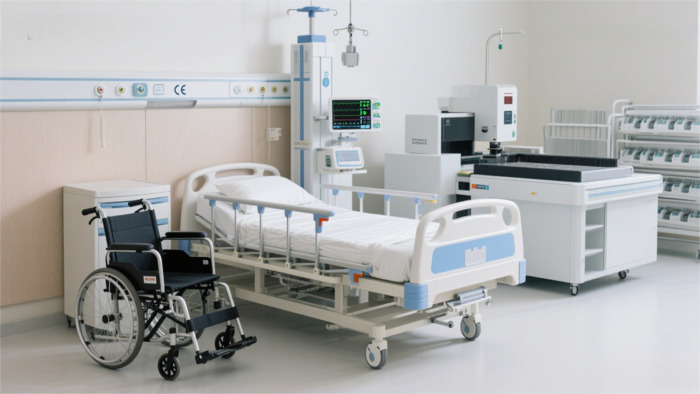
With an extensive portfolio, LDO Medical covers a wide range of products, including medical vehicle frames, medical & home-use wheelchairs, surgical instrument carts, monitoring beds, and nursing beds. The company’s offerings encompass over 100 varieties within these five key categories, ensuring it meets the diverse equipment needs of medical institutions at all levels. These products are designed to provide reliable and efficient hardware support for healthcare environments, enhancing the overall quality of patient care.
As an innovator in the medical equipment field, Guangzhou LDO Medical has consistently prioritized advancing the development of healthcare technologies. The company’s mission is to drive medical progress through technological innovation. To achieve this, LDO Medical continuously integrates advanced production technologies and best practices from global leaders such as Germany, Japan, and the United States, resulting in upgraded product designs and enhanced manufacturing processes. At the same time, LDO Medical has invested heavily in its own independent R&D, enabling the company to tackle complex technical challenges and create cutting-edge solutions that meet the evolving needs of the healthcare industry.
“LDO Medical’s core product range includes medical pendant towers, medical beds, various types of medical carts, and vehicle frames, all of which adhere to strict international quality standards. These products have been crafted to ensure top-tier performance, safety, and durability, positioning LDO Medical as a trusted provider of high-quality medical equipment.”
To better serve its clients, LDO Medical offers professional customization services. Utilizing its advanced production technologies and flexible manufacturing capabilities, the company provides tailored solutions to meet the specific requirements of different medical institutions. Whether it's adjusting product parameters or designing entirely new equipment, LDO Medical offers personalized services throughout the entire process. The company's customization service ensures that all products comply with medical standards while meeting the precise needs of healthcare providers and patients.
LDO Medical maintains a strong commitment to quality control and customer satisfaction. The company follows a rigorous quality management system that spans the entire production process, from raw material procurement to finished product delivery. Each step is meticulously inspected to guarantee stable and reliable product quality. Additionally, LDO Medical has established a dedicated consulting and technical service team that provides comprehensive support to customers. This team is available to assist with product usage, troubleshooting, and maintenance, ensuring that all medical equipment is used effectively and safely in clinical settings.
Beyond product excellence, LDO Medical is also focused on building long-term relationships with its customers. By offering high-quality, customizable solutions and unparalleled after-sales support, LDO Medical aims to become a trusted partner for healthcare institutions worldwide, contributing to the advancement of medical care and patient well-being.
The industrial optimization of mobility equipment requires strict adherence to localized application environments, each dictating divergent engineering prerequisites:
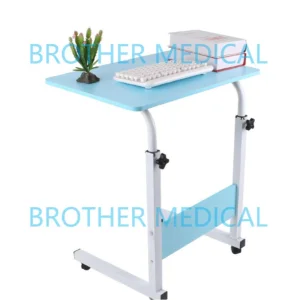
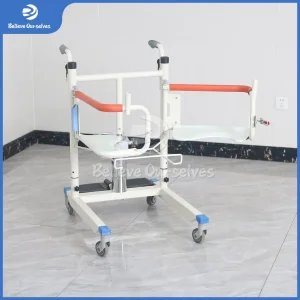
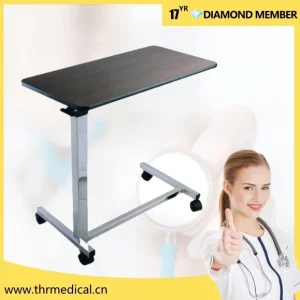
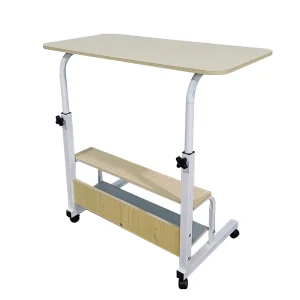
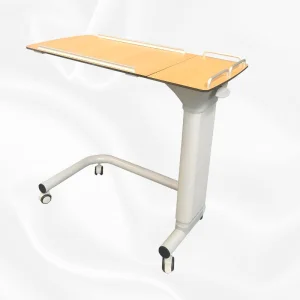
Acute Care & Hospital Ecosystems: Hardware within these environments must prioritize cross-contamination control, continuous chemical sanitization resilience, and multi-axis mechanical flexibility. Surfaces require advanced non-porous powder coatings resistant to high-grade disinfectants. Integrated components, such as patient lifts and adjustable bedside dining overbed tables, must utilize heavy-duty hydraulic or electronic actuators that feature micro-step profiles to eliminate sudden movement shocks, mitigating secondary trauma vectors during patient transfer operations.
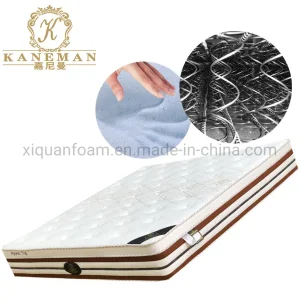
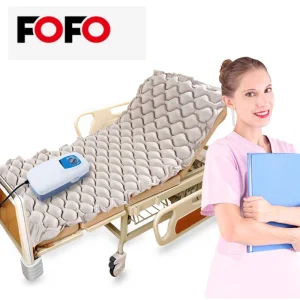
Long-Term Care & Geriatric Rehabilitation Centers: The critical engineering variable here centers on pressure ulcer management and structural ergonomics. Devices like alternating air pressure mattresses must employ algorithmic pressure cycle profiling to prevent capillary occlusion in non-ambulatory populations. Frame structures for long-term clinical beds require modular accessory rails capable of holding a broad array of monitoring instrumentation without inducing structural fatigue or acoustic feedback loops.
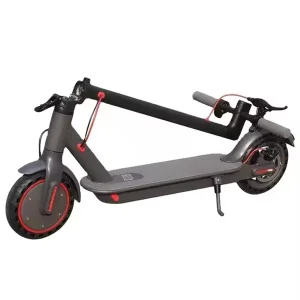
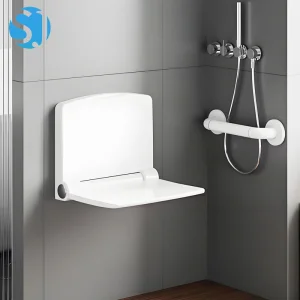
Domestic Care Environments: Optimization metrics pivot toward space optimization, collapsible structural architectures, and intuitive biomechanical assistance. Foldable self-balancing electric scooters and modular wall-mounted shower seats must feature high strength-to-weight ratios—achieved using thin-walled, high-tensile extrusion profiles—allowing safe deployment within limited spatial parameters while ensuring failsafe mechanical locking vectors.
The convergence of biomechanical engineering and digital systems is establishing new baseline expectations for commercial product design. The integration of intelligent telemetry and IoT communication suites allows modern mobility aids to transmit continuous operational health telemetry, battery lifecycle metrics, and duty-cycle statistics to facility-wide asset management networks. Predictive maintenance architectures eliminate device downtime in high-throughput acute environments.
Material science evolutions are replacing standard ferrous compositions with hybrid configurations involving isotropic carbon fiber composites and specialized magnesium-aluminum alloys. These advancements achieve up to a 40% reduction in tare weight while expanding the structural yield limits. Concurrently, smart power electronics—specifically advanced Brushless DC (BLDC) hub motors coupled with high-density lithium iron phosphate (LiFePO4) energy systems—are introducing multi-stage regenerative braking systems and adaptive torque vectors that automatically compensate for structural inclines and irregular path geometry, ensuring continuous operational stability.
Procuring mobility aids at scale from Chinese export centers requires a structured, multi-tier validation protocol to guarantee quality consistency and regulatory insulation. Global sourcing directors should structure their factory vetting processes across these explicit checkpoints:
Regulatory & Certification Audits: Verification must extend beyond the review of digital PDF documents. Exporters must demonstrate continuous, active ISO 13485 Quality Management Systems documentation. Testing verification data for European compliance should trace directly to notified bodies under the MDR, while US-bound products require valid FDA 510(k) premarket notification references. Factory floors must hold certified welder records and explicit material origin traceability documentation to satisfy corporate ESG and supply chain compliance matrices.
Operational Quality Evaluation (IQ/OQ/PQ): In-factory inspections must verify the presence of multi-stage validation routines: Installation Qualification (IQ) for production machinery, Operational Qualification (OQ) via stress testing lines, and Performance Qualification (PQ) loops ensuring finished product batch conformity. Procurement teams should prioritize factories utilizing computerized end-of-line testing benches that programmatically record performance parameters under full mechanical loads, archiving these data sheets for every unique serial number issued.
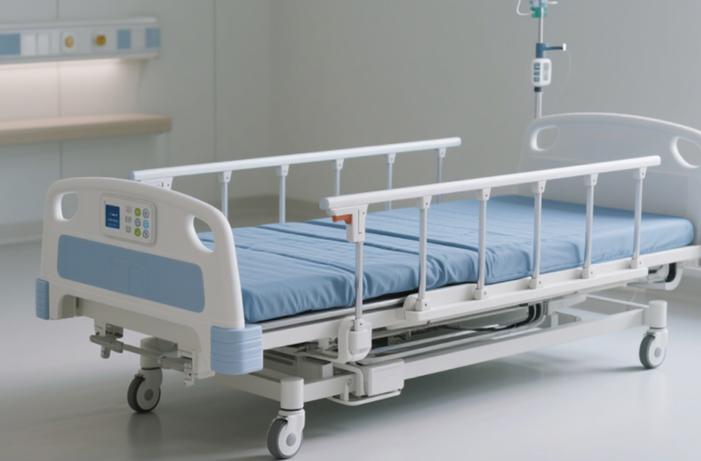
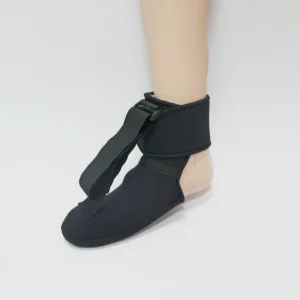
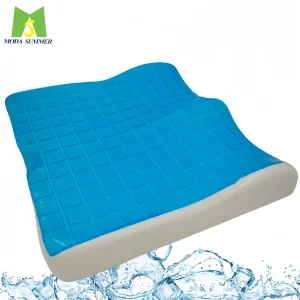
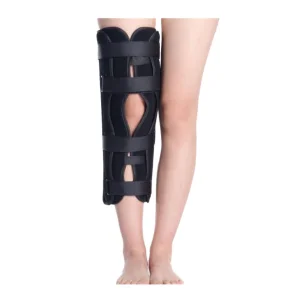
Premium orthotic braces, pressure management cushions, and dynamic patient environment support configurations.
 LDO Medical