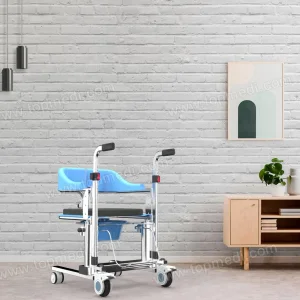
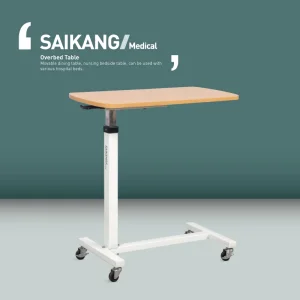
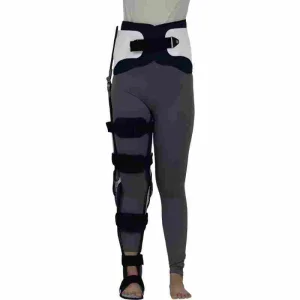
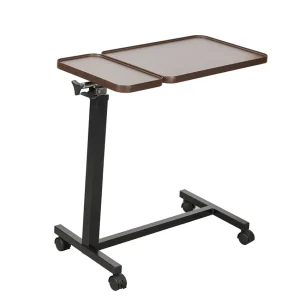
Explore a selection of high-grade mobility components, orthotics, patient lifters, and home care hardware designed in compliance with global quality and safety guidelines.
The global assistive technology and living aids market is undergoing an unprecedented paradigm shift. Driven by structural demographic transformations—specifically the rapid expansion of the aging population across North America, Europe, and Asia-Pacific—the demand for home-care safety hardware, patient transfer mechanisms, and daily living aids has transitioned from a niche segment to a critical vertical of global healthcare infrastructure.
Historically, living aids were restricted to institutional care frameworks, such as sub-acute hospitals and specialized nursing homes. However, modern healthcare economic structures, coupled with the consumer-driven preference for "aging in place," have relocated the primary delivery of care back to the residential home environment. This transition presents significant product development challenges: manufacturers can no longer rely on purely industrial aesthetics. Current procurement teams demand hospital-grade mechanical integrity combined with consumer-centric ergonomics, intuitive controls, and unobtrusive aesthetics.
Furthermore, B2B procurement pipelines are feeling the impact of rigorous regulatory reforms. The transition from the Medical Device Directive (MDD) to the Medical Device Regulation (MDR) in the European Union, combined with heightened US Food and Drug Administration (FDA) inspection practices, has placed extreme strain on uncertified factories. Global importers are consolidating their supplier bases, moving away from low-cost, uncertified assembly lines to focus capital on fully compliant, vertically integrated manufacturing powerhouses.
Strategic purchasing officers evaluating global living aids factories look beyond simple Unit FOB prices. The overall cost of ownership is determined by complex engineering tolerances, mechanical compliance, and shipping logistics. B2B importers evaluate potential manufacturing partners based on the following three operational benchmarks:
Equipment intended for high-use clinical environments or patient transfers must utilize top-tier structural alloys. Standard practice involves using high-grade 304 Stainless Steel or aerospace-grade, anodized aluminum profiles. This ensures optimal load-bearing strength (supporting up to 250kg safe working load), resistance to corrosive sanitizers, and prevents structural fatigue under stress.
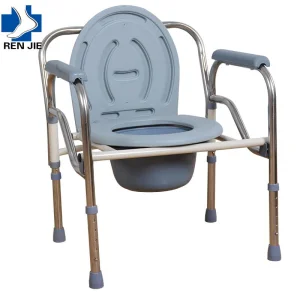
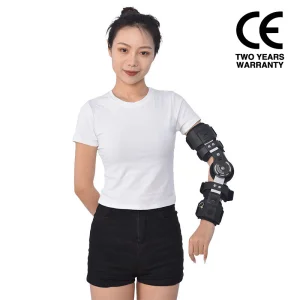
Direct skin-contact interfaces, such as positioning braces, commode seating, and supportive pressure mattresses, must feature certified non-toxic, latex-free, and flame-retardant materials. Antimicrobial additives integrated into injection-molded components prevent biofilm formation and limit cross-contamination risks.
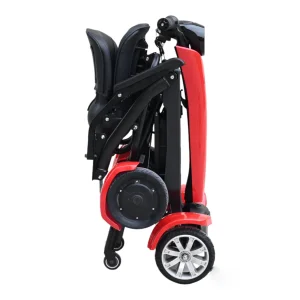
Top exporters must maintain an updated Technical File for all Class I and Class II devices. This includes mechanical strain calculations, electromagnetic compatibility (EMC) reports for powered scooters, and full chemical ingredient lists. Complete batch traceability ensures rapid processing in the event of customer returns or product updates.
Established as an industry leader in high-performance healthcare equipment manufacturing, Guangzhou LDO Medical Co., Ltd. is headquartered in Guangzhou, Guangdong Province. Benefiting from Southern China's advanced industrial supply chain, the company is a professional manufacturer focused on the comprehensive research, development, and engineering of clinical medical equipment and home-care living aids. Supported by years of manufacturing experience, LDO Medical uses advanced assembly processes and CNC fabrication systems to produce reliable medical hardware.
The factory features a broad production footprint, delivering over 100 distinct product varieties classified across five primary product categories:
To maintain its position as an industry pioneer, LDO Medical actively integrates manufacturing technologies and engineering designs from leading markets, including Germany, Japan, and the United States. This international outlook, combined with their internal R&D center, enables the company to solve complex design challenges, refine structural components, and produce high-performance hardware that meets international safety standards.
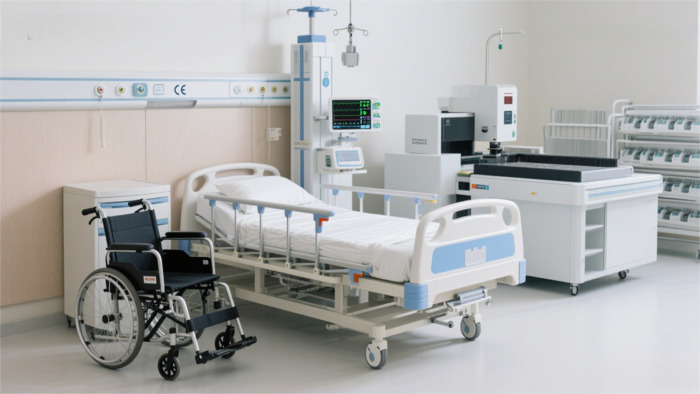
A key element of LDO Medical's manufacturing model is its strategic partnership with Hebei Dirun Medical Technology Co., Ltd. This partnership blends Guangzhou's rapid electronic integration and product development capabilities with Hebei's raw steel processing and large-scale manufacturing infrastructure. This combined approach allows both entities to scale production quickly, mitigating raw material bottlenecks and offering cost-efficient bulk production for global distribution.
To support global clinical and municipal procurement programs, LDO Medical provides detailed customization options. Utilizing modern CAD/CAM engineering platforms, the company modifies product layouts, changes raw material specifications (e.g., swapping carbon steel for lightweight aluminum alloys), and designs customized control setups. Their engineering team guides client projects through a structured pipeline:
Defining client weight capacity specifications, regulatory requirements, target weight targets, and regional aesthetic preferences.
Drafting components and executing Finite Element Analysis (FEA) to verify structural load limits under simulated stress conditions.
Assembling functional prototypes to undergo mechanical life-cycle testing, salt spray testing for corrosion, and electrical safety analysis.
Initiating manufacturing within ISO 13485-monitored facilities, ensuring consistent quality across the production run.
Quality assurance in medical manufacturing is essential. LDO Medical maintains a multi-stage quality management system that monitors the production cycle from raw materials to final cargo packing.
All structural steel profiles, polyurethane foam lots, medical-grade castors, and motor actuators undergo strict inspections. Materials must match specified alloy compositions and structural thicknesses before release to the production floor.
Automated robotic welding lines are monitored for consistent weld penetration. Welded joints are checked for structural integrity, and electronic actuators are cycle-tested under full load to ensure smooth operations.
Prior to shipping container loading, random units undergo full operational inspections. This includes checking height adjustment systems, verifying anti-fall mechanisms, testing brake hold, and confirming correct packaging layouts.
The integration of electronic systems and digital sensors is transforming standard mechanical living aids into interactive devices. LDO Medical's long-term R&D roadmap centers on three tech-driven categories:
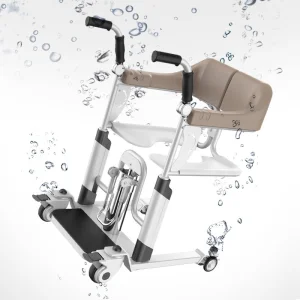
Integrating micro-sensors and load-cell arrays into commode chairs and patient transfer systems. These sensors monitor load balances and notify caregiver networks if a patient attempts unsafe movements.
Replacing traditional petroleum-based plastics with plant-derived, bio-compatible polymers. These new materials match current performance standards while lowering the product's overall carbon footprint.
Developing high-torque, quiet motor assemblies to reduce noise levels in care environments. Smart power-saving circuits extend the run-time of mobile battery-powered equipment.
Answers to key questions asked by healthcare directors, product managers, and supply chain specialists:
Browse our range of rehabilitation gear, manual transfer systems, safety support options, and clinical equipment.
 LDO Medical