Empowering Global Mobility, Rehabilitation, and Patient Care with Clinically Compliant Medical Systems & Technical Innovations.

The global demand for high-caliber disability aids and rehabilitation hardware is undergoing a massive paradigm shift. As international demographics lean older and health policies emphasize long-term patient autonomy, the supply chains for durable medical equipment (DME) must scale with uncompromising standards. Assistive technology is no longer confined to simple manual supports; it has evolved into a highly integrated ecosystem of mechanics, materials science, and human factors engineering.
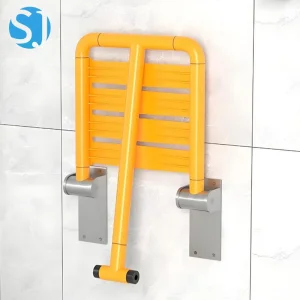
From custom structural vehicle frames to smart orthopedic braces, medical device factories now employ sophisticated manufacturing models to meet dynamic healthcare requirements. Providing macro solutions means understanding that a single patient mobility aid fits into a larger therapeutic trajectory. Modern healthcare facilities mandate systems that prevent secondary injuries—such as anti-decubitus (bedsore) cushions for wheelchair-bound patients and ergonomic wall-mounted washroom assets that protect clinical staff while empowering the patient.
The manufacturing architecture for rehabilitative equipment has shifted from centralized regional assembly to optimized global hubs utilizing highly technical sub-contracting models. Precision tooling factories—such as those utilizing advanced CNC (Computer Numerical Control) machining and high-speed robotic welding—form the backbone of modern clinical device fabrication. The integration of high-grade raw materials, specifically lightweight aeronautical aluminium, high-density polyurethane, and surgical stainless steel, is mandatory to meet both structural durability targets and bio-compatibility protocols.
Simultaneously, competitive differentiation in the industrial space relies heavily on engineering flexibility. OEM (Original Equipment Manufacturer) and ODM (Original Design Manufacturer) frameworks allow leading factories to customize and adapt generic medical frames into specialized hospital fleets. Large-scale global healthcare buyers—including ministries of health, large private hospital chains, and international medical supply distributors—seek long-term partnerships with manufacturers capable of delivering highly repeatable, defect-free production runs.
Utilizing high-strength materials, such as marine-grade stainless steel and structural-grade polymers, ensures that orthopedic walkers and bathroom safety products resist chemical corrosion and structural fatigue.
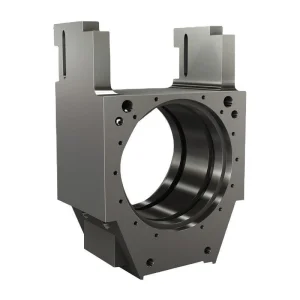
By leveraging high-speed precision CNC milling, manufacturers produce intricate orthopedic components that demand micro-tolerances for joint alignment and structural security.
Robust operational methodologies allow factories to execute massive bulk orders while maintaining continuous automated inspections to satisfy international medical device parameters.
In the medical device industry, market entry is entirely dependent on compliance. A CE Certification is not merely a label; it is a legally binding declaration that the disability aids conform to all European Union health, safety, and environmental protection requirements as outlined in the Medical Device Regulation (MDR) 2017/745. For importers, distributors, and clinical end-users, CE-marked devices guarantee that the equipment has undergone rigorous design analysis, risk assessment, and clinical evaluation.
Moreover, top-tier manufacturers establish dynamic localized support systems. This encompasses maintaining a regional Authorized Representative (EU AR), delivering documentation in multiple European languages, and implementing robust post-market surveillance (PMS) channels. Ensuring compliance also extends to certifications such as ISO 13485 (Medical Devices Quality Management Systems) and compliance with FDA regulations for the North American markets, ensuring seamless entry across international borders.
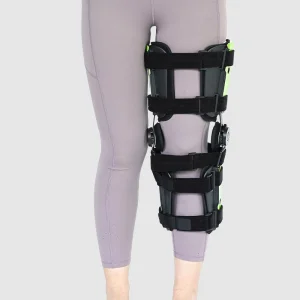
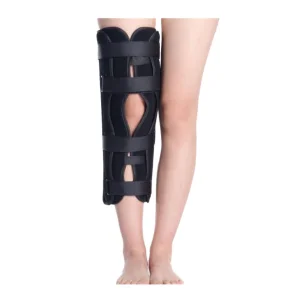
Every piece of rehabilitation machinery must withstand rigorous load-bearing and fatigue testing. Our factories implement ISO-certified test benches to confirm structural stability under continuous stress. Whether it is ensuring the functional range of motion (ROM) in knee braces or the structural integrity of electric power folding scooters, each component is logged and traceable from raw ingot to clinical application.
By coordinating with notified bodies in the EU, we maintain up-to-date certificates, technical files, and declarations of conformity. This proactive regulatory posture minimizes supply chain bottlenecks and protects our distribution partners from administrative import delays.
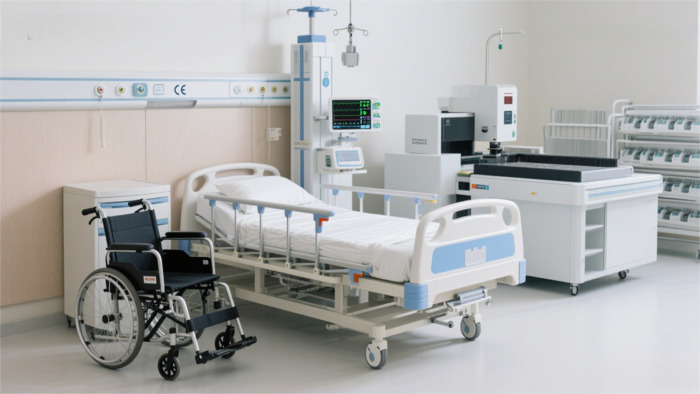
Modern disability aids find utility across a diverse range of clinical and residential settings. Designing products that adapt to these distinct physical and regulatory spaces is essential for clinical success and safety:
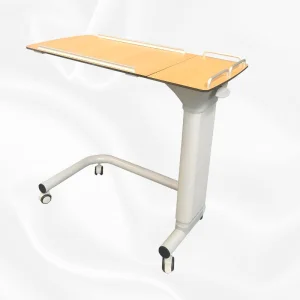
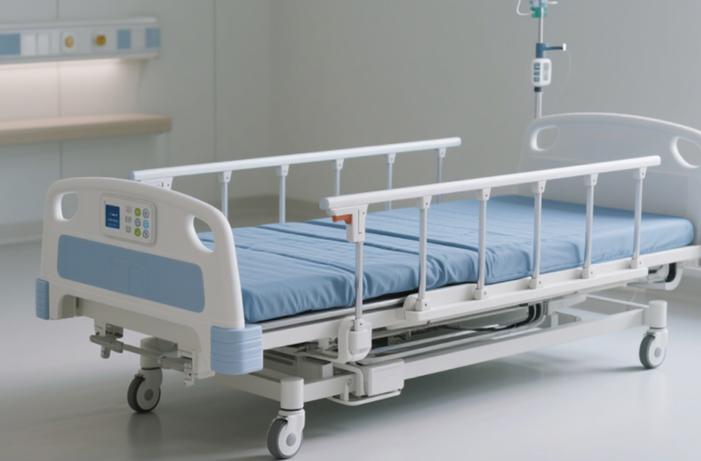
High-frequency clinical environments demand heavy-duty, easily sanitized machinery. Adjustable overbed tables, surgical instrument carts, and multi-functional nursing beds must withstand rigorous daily cleanings with chemical disinfectants while maintaining fluid mechanical controls.
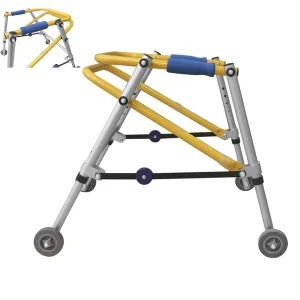
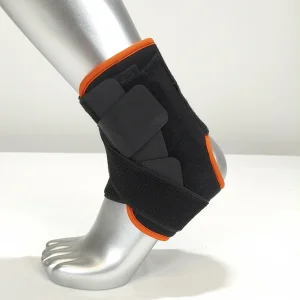
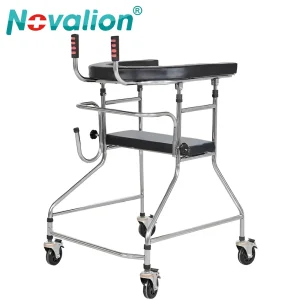
Outpatient rehabilitation centers utilize specialized walking frames, orthopedic ankle-foot walker boots, and customized range-of-motion (ROM) braces. These devices support physiological re-education, helping patients safely rebuild strength and coordination.
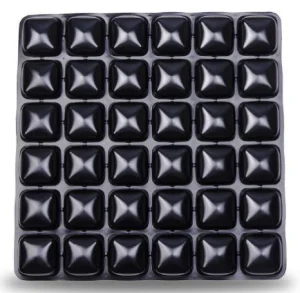
In senior facilities, the focus centers on minimizing fall risks and preventing tissue degradation. Specially engineered anti-bedsore (decubitus) cushions and wall-mounted shower chairs preserve patient dignity while ensuring maximum physical stability.
The rehabilitation hardware sector is transitioning toward cyber-physical integration. The future of disability aids lies in the integration of lightweight structural composite materials, smart sensory networks, and automated feedback loops. Over the next decade, technology is projected to evolve along a defined path:
Transitioning structural frames from grade-6000 aluminium to carbon-fiber composites and magnesium alloys, drastically reducing product weight while maintaining structural safety factors.
Integrating pressure sensors into anti-bedsore cushions and walkers to stream real-time patient weight distribution and posture data to remote clinical monitors.
Deploying motorized orthotics and semi-autonomous electric scooters equipped with obstacle-detection lidar to support safe mobility inside modern urban environments.
Guangzhou LDO Medical Co., Ltd., a leading player in the medical equipment manufacturing sector, is headquartered in Guangzhou, Guangdong Province. As a professional manufacturer dedicated to the research, development, and production of high-quality medical equipment, the company boasts a cutting-edge production system and advanced manufacturing processes, supported by years of deep industry experience.
With an extensive portfolio, LDO Medical covers a wide range of products, including medical vehicle frames, medical & home-use wheelchairs, surgical instrument carts, monitoring beds, and nursing beds. The company’s offerings encompass over 100 varieties within these five key categories, ensuring it meets the diverse equipment needs of medical institutions at all levels. These products are designed to provide reliable and efficient hardware support for healthcare environments, enhancing the overall quality of patient care.
As an innovator in the medical equipment field, Guangzhou LDO Medical has consistently prioritized advancing the development of healthcare technologies. The company’s mission is to drive medical progress through technological innovation. To achieve this, LDO Medical continuously integrates advanced production technologies and best practices from global leaders such as Germany, Japan, and the United States, resulting in upgraded product designs and enhanced manufacturing processes. At the same time, LDO Medical has invested heavily in its own independent R&D, enabling the company to tackle complex technical challenges and create cutting-edge solutions that meet the evolving needs of the healthcare industry.
LDO Medical’s core product range includes medical pendant towers, medical beds, various types of medical carts, and vehicle frames, all of which adhere to strict international quality standards. These products have been crafted to ensure top-tier performance, safety, and durability, positioning LDO Medical as a trusted provider of high-quality medical equipment.
To better serve its clients, LDO Medical offers professional customization services. Utilizing its advanced production technologies and flexible manufacturing capabilities, the company provides tailored solutions to meet the specific requirements of different medical institutions. Whether it's adjusting product parameters or designing entirely new equipment, LDO Medical offers personalized services throughout the entire process. The company's customization service ensures that all products comply with medical standards while meeting the precise needs of healthcare providers and patients.
LDO Medical maintains a strong commitment to quality control and customer satisfaction. The company follows a rigorous quality management system that spans the entire production process, from raw material procurement to finished product delivery. Each step is meticulously inspected to guarantee stable and reliable product quality. Additionally, LDO Medical has established a dedicated consulting and technical service team that provides comprehensive support to customers. This team is available to assist with product usage, troubleshooting, and maintenance, ensuring that all medical equipment is used effectively and safely in clinical settings.
Beyond product excellence, LDO Medical is also focused on building long-term relationships with its customers. By offering high-quality, customizable solutions and unparalleled after-sales support, LDO Medical aims to become a trusted partner for healthcare institutions worldwide, contributing to the advancement of medical care and patient well-being.
Access authoritative answers concerning engineering standards, compliance protocols, and custom product pipelines for global distribution networks.

 LDO Medical