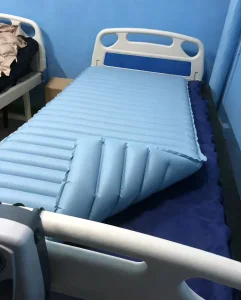
Select medical-grade solutions compliant with EU MDR and global safety protocols.
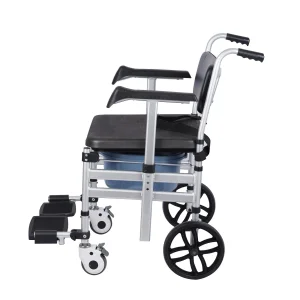
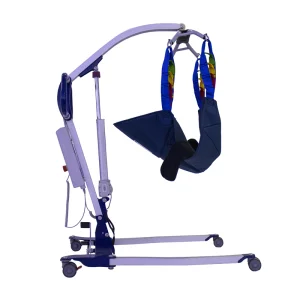
The global demand for medical-grade Assistive Technology (AT) is undergoing a structural paradigm shift. Driven by aging demographic curves, clinical shifts towards ambulatory care, and stringent health-economy mandates, procurement authorities require systems that perform beyond basic functional assistance. They demand products that satisfy the strict criteria of EU Regulation 2017/745 (MDR) and ensure zero compromise on safety.
As a leading designer and manufacturer, Guangzhou LDO Medical Co., Ltd. integrates state-of-the-art manufacturing infrastructure with deep clinical compliance. From structural metal dynamics (utilizing certified #6063-T5 aluminum alloys) to advanced surface finishes preventing nosocomial infections, our product range is engineered for modern healthcare ecosystems.
By implementing a robust Quality Management System certified under ISO 13485:2016, LDO Medical provides international supply chain resilience, allowing hospitals, care facilities, and distribution channels to import and deploy equipment with complete confidence.
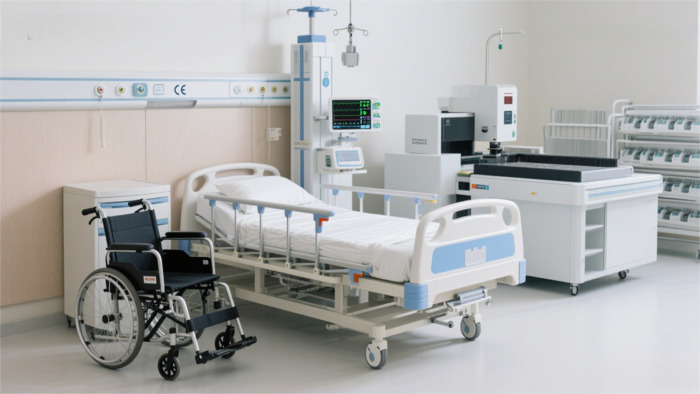
How LDO Medical implements mechanical engineering and structural analysis to deliver high-durability products.
All load-bearing structures utilize tempered 6000-series aluminum alloys. Our components undergo electrochemical anodizing, creating a protective oxide layer that resists corrosion under extreme moisture conditions (such as steam sterilization and clinical wet areas).
Working alongside orthopedic therapists, LDO develops anatomical contact points. Handlebars feature high-density, hypoallergenic polymers that reduce pressure on joint surfaces, preventing chronic strain during long-term rehabilitation.
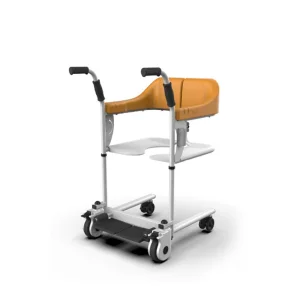
For patient transfer devices, static and dynamic stress analysis (FEA) guides frame geometry. Dual locking systems and secondary hydraulic back-ups ensure that in the event of primary pump failures, patient descent remains controlled and stable.
| Performance Parameter | LDO Medical Certified Standards | Standard Market Equivalents | Clinical Significance |
|---|---|---|---|
| Chassis Material | Aluminum Alloy #6063-T5 (high tensile strength) | Recycled #6061 or Standard Carbon Steel | Lighter gross weight, greater load capacity, zero structural rust. |
| Weight Bearing Limits | Up to 150 kg (Static tested to 300 kg) | 90 kg - 110 kg limit | Supports bariatric rehabilitation safely, decreasing liability risks. |
| Corrosion Resistance | Salt Spray Test Class 9 (≥96 Hours) | Basic Powder Coating (<24 Hours) | Withstands intense chemical hospital-grade sanitization. |
| Caster Durability | Double-shielded ball-bearing medical casters | Single plastic axle casters | Reduced rolling resistance, low noise, avoids carpet fiber accumulation. |
Procuring medical assistive equipment internationally requires predictable logistics and transparent manufacturing. Located in the industrial center of Guangzhou, Guangdong Province, Guangzhou LDO Medical Co., Ltd. leverages a highly concentrated supply ecosystem. This geographic advantage gives us access to raw materials, premium extrusion mills, and deepwater shipping terminals like Nansha and Shenzhen.
By keeping processing stages close to our central factory—including frame extrusion, automated robotic welding, electrostatic powder line painting, and clean-room assembly—we minimize transit times and control manufacturing costs. This vertical integration allows us to handle customized OEM/ODM projects with speed and precision.
Our Quality Assurance system documents the path of each component from raw aluminum ingots to the final product. Every shipment is backed by structural certificates, component certificates, and compliant user manuals, streamlining import procedures for global distributors.
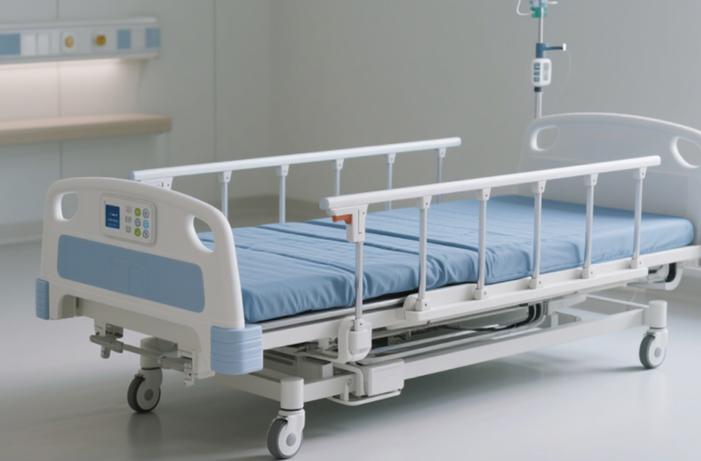
How our assistive designs adapt to different legal frameworks, spaces, and user needs.
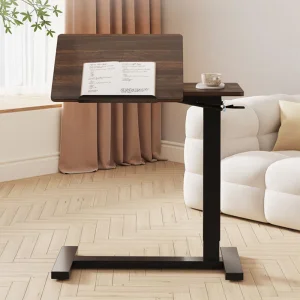
Designed for acute recovery phases. Height-adjustable overbed tables and aluminum electric patient lifts allow staff to assist patients safely, lowering the risk of occupational physical injuries in busy hospital departments.
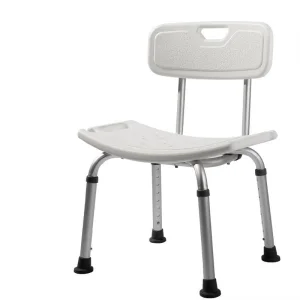
Our aluminum alloy commodes and shower chairs focus on hygiene and durability. They are built to withstand continuous sanitation cycles and assist users with limited mobility while maintaining high standards of privacy and comfort.
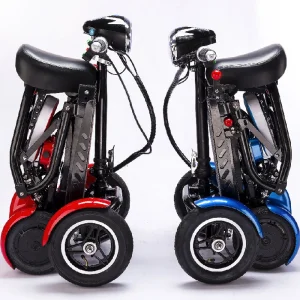
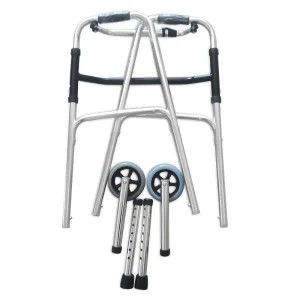
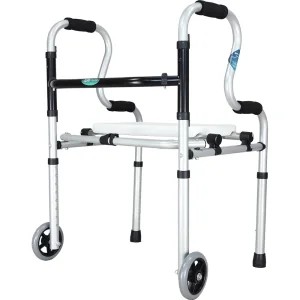
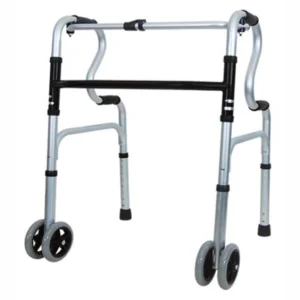
Designed for residential settings, our lightweight folding walkers and portable mobility scooters fit easily through standard doorways, offering independence for users returning home after surgery or managing age-related changes.
From initial design draft to high-volume manufacturing with certified traceability.
Our engineers evaluate your clinical requirements, target load capacity, and weight parameters to recommend the right design path.
We build prototypes using 3D structural modeling. The physical frame is then tested on load stands to verify its fatigue limits.
We perform stress testing, salt spray exposure tests, and surface finish validation to ensure full compliance with MDR rules.
Once approved, we scale up production on our assembly lines, and provide fully traceable QA documentation for shipping.
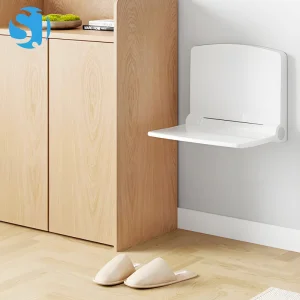
Industrial-grade designs for acute hospital usage and long-term care environments.
The convergence of IoT, advanced materials, and AI-driven design in rehabilitation and mobility gear.
The transition from mechanical assistive devices to smart, sensor-enabled equipment is accelerating. The engineering team at LDO Medical is currently integrating digital tracking technologies to improve safety and ease of use in clinical settings.
Our research roadmap focuses on embedding strain gauges and telemetry modules directly into walk frames and electric lifts. These sensors will record weight distribution and usage patterns in real-time, helping clinicians analyze patient gaits and predict potential component wear before issues occur.
Additionally, we are exploring eco-friendly manufacturing methods. By using recyclable thermoplastic polymers and reducing our carbon footprint during aluminum processing, LDO is working to support health-system sustainability goals without compromising on strength or durability.
Technical and regulatory answers regarding the supply of CE certified assistive technology.
Under the EU Medical Device Regulation (MDR 2017/745), assistive technologies such as medical walkers, electric patient lifts, and commodes are categorized as Class I or Class I(m) medical devices. They must undergo strict conformity assessments, including documentation of raw material biocompatibility (ISO 10993), mechanical load fatigue testing (ISO 11199 for walking aids), and a clear clinical evaluation to demonstrate both safety and performance in their intended environments.
We select #6063-T5 aluminum alloy because it provides an optimal balance of structural strength, low weight, and corrosion resistance. It offers excellent tensile properties that prevent bending under load while keeping the equipment light enough for patients and caregivers to handle easily. The alloy’s surface structure also responds well to anodization, ensuring the frame stands up to repeated medical disinfection.
Our quality assurance program follows ISO 13485:2016 standards. We inspect all incoming raw materials, verify frame welding strength, and test finished products under load before packaging. For customized OEM projects, we establish specific Inspection Plans (IPs) based on the client's local standards, checking dimensions and load limits at every step of production.
We offer extensive customization options, including adjustable height ranges, frame dimensions, surface materials (such as high-density polypropylene or phenolic laminates), and caster options (like central locking or non-marking wheels). We can also adjust the physical frame layout to fit specific hospital rooms or care facility requirements.
For every shipment, we provide a complete compliance folder containing the EU Declaration of Conformity (DoC), ISO 13485 certificate, material compliance reports, and multi-language user manuals. When required for North American shipments, we can also supply FDA facility registration details and 510(k) status information.
Our bath and shower chairs are manufactured using corrosion-resistant aluminum frames combined with molded, non-porous plastic seating. This design prevents water accumulation, while built-in drainage holes limit bacteria growth. The materials are also tested for resistance to typical medical-grade surface disinfectants.
Located in Guangzhou's industrial zone, we maintain close relationships with local metal refineries and component suppliers. This location allows us to keep raw material buffers on hand, shielding our production timelines from sudden supply shortages and helping us meet delivery schedules for our international clients.
Yes. We offer complete private label packaging and branding services. This includes custom-printed outer boxes, customized instruction manuals, and direct product logo placement using durable laser etching or silk-screen methods, helping distributors match their local market presentation.
 LDO Medical