A patient lift should move quietly, steadily, and predictably. When an alarm sounds repeatedly, caregivers may feel uncertain, especially beside a dependent patient. The question is simple: “Why does my patient lift keep beeping?” The answer is not always a serious mechanical failure. A low battery, overload warning, loose handset connection, emergency-stop button, or charging fault can trigger the sound.
China’s leading patient lift suppliers usually describe beeping as a safety communication, not an annoyance to ignore. However, alarm patterns differ between electric sit-to-stand lifts, mobile hoists, and ceiling-mounted systems. One short beep may indicate charging, while repeated tones can signal battery weakness or an activated protection sensor. The user manual remains essential because similar sounds may have different meanings across models. Small details matter. Check the display, battery indicator, sling position, and caster movement before continuing.
Stop the lift safely.
Experienced service teams recommend lowering the patient only when movement remains controlled and safe. Do not disconnect safety features or repeatedly reset the device without identifying the cause. A visual inspection can reveal a damaged cable, bent spreader bar, or charger that feels unusually warm. Still, inspection cannot replace professional testing. Suppliers with documented quality systems, traceable components, training support, and responsive after-sales service offer greater confidence. I have found that rushed troubleshooting often misses simple issues, particularly poor charging habits. That assumption can be wrong. This guide examines common beep patterns, practical checks, supplier responsibilities, and the warning signs requiring qualified maintenance.
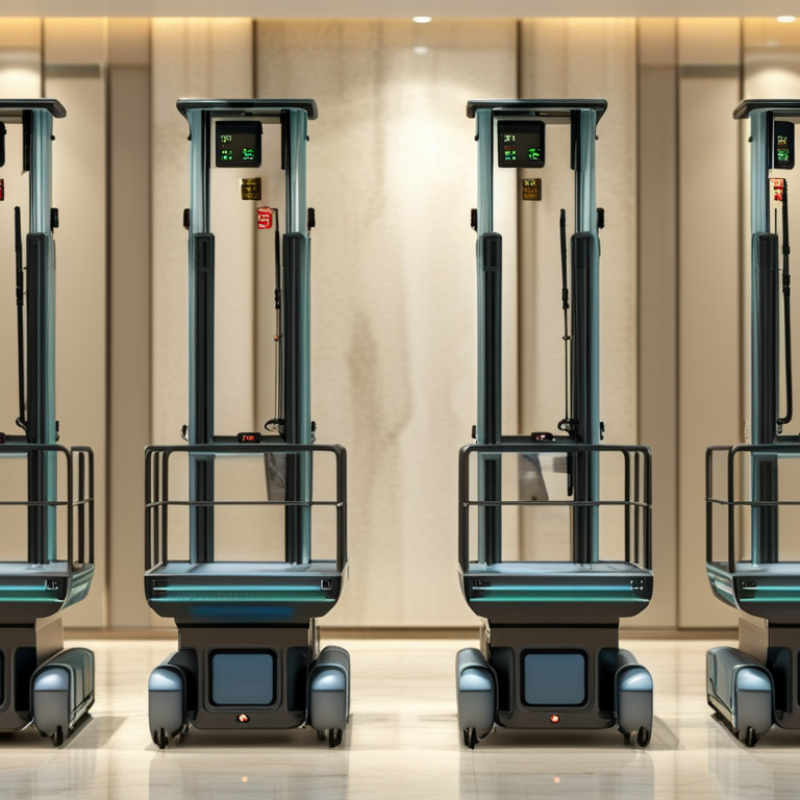
China Top Patient Lift Suppliers: Why Does It Keep Beeping?
A patient lift beeping alert usually signals a safety condition, not a random sound. A steady tone may indicate low battery power, an engaged emergency stop, or incomplete charging. Repeated short beeps can suggest overload, actuator resistance, or a sensor problem. Alarm patterns vary by model. Never rely on sound alone.
Check the display, battery indicator, sling position, and floor clearance. Confirm that the emergency stop is released. Then remove the load and test the lift without a patient. If the alert continues, stop using the equipment and request inspection by qualified service personnel. A quiet lift is not always a safe lift.
The U.S. Bureau of Labor Statistics reported 5.5 recordable injury cases per 100 full-time workers in private hospitals in 2023. Safe lifting equipment matters, but maintenance matters too. ISO 10535:2021 emphasizes performance testing for mobile hoists and lifting accessories. The FDA’s MAUDE database also shows why event reports require careful interpretation; reports do not establish failure rates. In practice, staff should record the beep pattern, battery age, patient weight, and recent charging history. I have seen teams replace batteries too quickly. Sometimes, the real cause is an overloaded sling or a hidden obstruction. Manufacturers should provide clear alarm codes, yet operators still need training and judgment.
| Beeping Pattern or Alert | What It Usually Means | Common Causes | Recommended Immediate Action | Priority |
|---|---|---|---|---|
| Continuous or repeated beeping during lifting | The lift may be detecting an overload, excessive resistance, or a movement condition outside normal operation. | Load above the rated capacity, sling obstruction, uneven movement, or contact with furniture or another object. | Stop the lift, support the patient safely, remove obstacles, and verify that the total load is within the rated capacity shown on the lift. | High |
| Short beeps when the actuator reaches the upper or lower travel limit | The lifting mechanism may have reached its designed travel limit. | The boom or seat has reached the end of its permitted range, or the control button is being held after movement stops. | Release the control immediately. Do not continue pressing the button after the lift has stopped. | Medium |
| Beeping while the lift is connected to a charger | The battery may be charging, the charger may not be correctly connected, or the battery may require attention. | Loose charging plug, unsuitable power supply, depleted battery, damaged cable, or battery fault. | Place the lift in a safe position, check the approved charger connection, and inspect the cable for visible damage. Do not use damaged electrical equipment. | Medium |
| Single beep or warning tone when a control is pressed | The command may have been received, or the control may be unavailable under the current operating condition. | Control lockout, emergency stop activation, charger connection, or a control-panel notification. | Check the emergency-stop button, battery status, charger connection, and the operating instructions for the specific model. | Medium |
| Beeping with slow, weak, or uneven movement | The battery may be low, or the lifting system may not be receiving adequate power. | Low battery charge, aging battery, loose connection, or excessive mechanical resistance. | Stop patient transfer if movement is unreliable, lower the patient only when safe, and recharge or replace the battery according to the service instructions. | High |
| Beeping after an emergency-stop button is pressed | The lift's powered functions may be disabled. | Accidental activation or deliberate use of the emergency stop during an unsafe condition. | Keep the patient secure. Reset the emergency stop only after confirming that it is safe and permitted by the operating instructions. | High |
| Alarm continues after restarting or recharging | A persistent fault may be present in the battery, actuator, control system, wiring, or sensor. | Electrical fault, damaged component, moisture ingress, worn battery, or failed limit or overload detection. | Remove the lift from patient-transfer service, label it as out of service, and have it inspected by qualified maintenance personnel. | Critical |
| Beeping during lowering or transfer | The system may be warning about a limit, obstruction, unsafe position, or loss of normal power. | Sling or patient contact with the bed, wheelchair, floor, or other equipment; low battery; or mechanical resistance. | Stop movement, maintain patient support, check clearance and sling position, and use the manual emergency-lowering procedure only if trained and required. | High |
| Intermittent beeping with no visible movement problem | The lift may be reporting a stored warning, low battery, incomplete connection, or service reminder. | Battery condition, connector issue, control handset fault, or maintenance interval reached. | Record the beep pattern, check the user manual, and arrange a documented inspection if the warning returns. | Medium |
: It usually signals a safety condition, such as low battery, overload, or an engaged emergency stop.
Repeated beeps may indicate battery weakness, actuator resistance, sensor trouble, or excessive load.
Yes. Inspect every sling loop, hook, and attachment point before transferring anyone.
Check the display, battery level, charger connection, sling position, and floor clearance. Confirm the emergency stop is released.
Stop using it. Remove the load and test the lift without a patient.
Yes. A blocked wheel or hidden obstruction can create resistance and produce similar warning sounds.
No. Bypassing sensors hides the warning and may increase injury risk.
Record the beep pattern, battery age, patient weight, charging history, and lift position.
Request load-test records, safety documents, alarm codes, maintenance plans, and replacement-part availability.
Not always. A silent device may still have an intermittent fault or hidden mechanical problem.
A patient lift that keeps beeping is usually sending a safety or maintenance alert rather than making a random sound. The question “Why does my patient lift keep beeping?” may relate to a low battery, an improperly connected charger, an overloaded lifting system, an emergency-stop activation, or a limit and sensor warning. Before checking the equipment, ensure the patient is stable, stop using the lift if movement seems unsafe, and keep the surrounding area clear. Carefully review the control panel, battery indicator, sling attachment points, cables, and visible mechanical parts. If the beeping continues or any damage is found, remove the lift from service and contact a qualified technician.
For buyers seeking dependable patient lift suppliers in China, evaluate product safety features, quality-control procedures, technical documentation, after-sales support, replacement-part availability, and staff training resources. A reliable supplier should communicate clearly, provide consistent inspection standards, and support safe operation throughout the equipment’s service life.

 LDO Medical