How to Use a Transfer Board Safely and Avoid Back Strain?

Time:2026-06-22 Author:Ethan
0%

Using a transfer board can significantly ease patient movement but poses risks if done incorrectly. Experts advise caution, especially regarding back strain. Dr. Emily Parker, a physical therapist specializing in mobility aids, emphasizes, "Proper techniques are essential to ensure safety and prevent injury while transferring patients."

To understand how to use a transfer board without straining your back, one must consider posture and technique. When transferring, the caregiver's stance matters. Position your feet firmly on the ground, shoulder-width apart. This stance provides stability and balance during the transfer. Equally important is the way you hold the board. Ensure you grasp it securely, allowing for control throughout the process.

Reflecting on personal experiences is vital. Many caregivers encounter challenges using transfer boards. Adjusting techniques based on individual needs can enhance safety. For instance, recognizing when to seek assistance is crucial. Training and practice are necessary to build confidence and competence in using a transfer board effectively. By following these guidelines, the risk of back strain decreases, resulting in safer transfers.
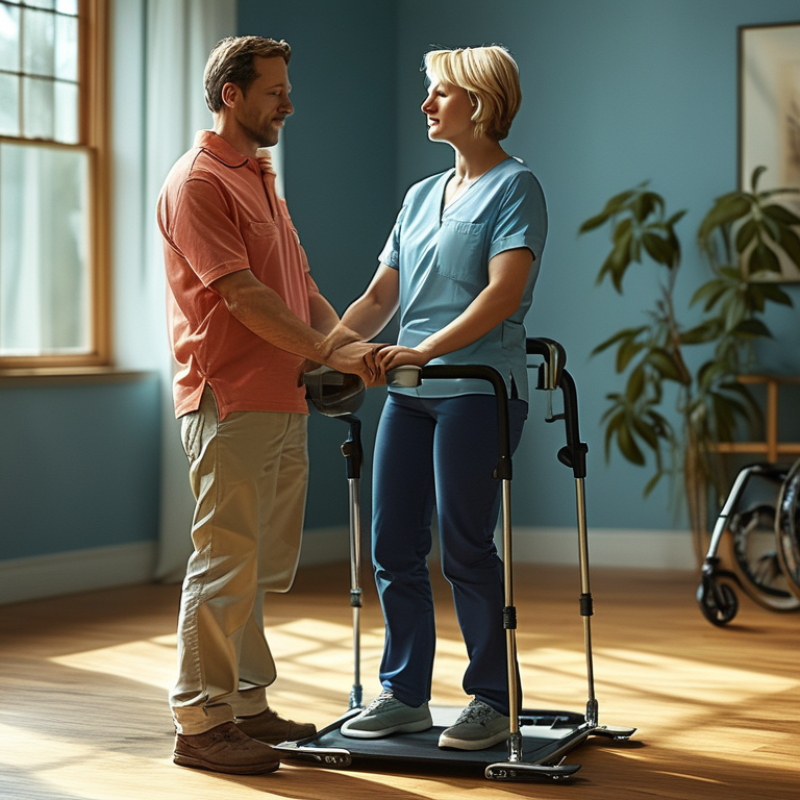
How to Use a Transfer Board Safely and Avoid Back Strain?

Understanding the Anatomy of a Transfer Board and Its Use

A transfer board is a vital tool used for safe patient transfers. Understanding its anatomy can significantly enhance its effectiveness. Typically, a standard transfer board is flat, made of sturdy, lightweight material. Its design includes a smooth surface that facilitates sliding. This surface reduces friction, which can help prevent injuries and strain for both the caregiver and the patient.

According to the National Institute for Occupational Safety and Health (NIOSH), back injuries are among the leading causes of disability for healthcare workers. Data indicate that moving patients improperly greatly increases the risk of musculoskeletal injuries. A proper understanding of how to use a transfer board can diminish these risks. The board allows for a more stable transfer, lessening the need for lifting, which is often the main culprit in back strain.

The height of the transfer board matters. If it’s too high or too low, it can create additional strain. Making sure the transfer board is level with both surfaces can ease the transition. Regular training in the proper techniques is essential, as lack of knowledge can lead to accidents. Reflecting on one’s methods can uncover areas for improvement, ensuring safety remains a priority for all involved parties.

Assessing Patient Needs and Conditions for Safe Transfers

When assessing patient needs for safe transfers, understanding their physical abilities is crucial. Evaluate the patient's strength, mobility, and balance. Some may require additional support or assistance. Always communicate with the patient. Discuss their comfort and any fears they might have. This builds trust and eases the transfer process.

Tips: Before using a transfer board, ensure the patient is properly positioned. Secure their feet and encourage them to use arm strength. Practice makes perfect. You might need to adjust your methods based on different patients. Be open to feedback and adapt as necessary.

Take time to adapt the environment as well. Ensure the transfer area is clear of obstacles. Check that the transfer board is clean and free from any damage. Even minor imperfections can lead to issues during the transfer. Maintain a focused approach, as distractions can cause accidents.

Techniques for Proper Body Mechanics During Transfer Board Use

Proper body mechanics are essential when using a transfer board. Research indicates that improper techniques can lead to serious injuries, including back strain. Many caregivers report experiencing discomfort after transfers due to poor posture. Studies show that maintaining a neutral spine reduces the risk of injury. Ensure your feet are shoulder-width apart while standing, and keep your knees slightly bent.

Engage your core muscles during the transfer. This stabilizes your body and supports your back. Minimize twisting motions, as these are linked to higher strain levels. Instead, pivot your feet to change direction. A survey conducted by the National Institute for Occupational Safety and Health indicates that using correct body mechanics can decrease injury rates by over 25%.

While following these techniques, take your time. Rushing can lead to mistakes. Be mindful of your movements and stay alert. If you feel strain during a transfer, reassess your technique. You may need to adjust your approach or seek assistance. Not every transfer will go perfectly, and that’s okay. Reflecting on your methods can improve safety and efficiency in future transfers.

Frequency of Injuries During Transfer Board Use

This chart illustrates the frequency of various injuries reported during the use of transfer boards. Proper body mechanics can significantly help in reducing these injuries.

Safety Guidelines for Transfer Board Operations to Minimize Risk

Using a transfer board can greatly ease the process of moving individuals with limited mobility. However, safety is paramount. Following specific guidelines ensures minimal risk for both the caregiver and the individual being transferred.

Proper positioning is essential. Always place the transfer board firmly under the individual. This provides stability and support. Ensure that the board is aligned with both the source and destination surfaces. Misalignment can cause slips and falls.

Tips for safe operations include checking for obstacles around the transfer area. Clear clutter to avoid tripping hazards. Additionally, ensure the individual is wearing appropriate clothing, free of straps or accessories that might catch on the board. Engaging the person during the transfer is also crucial; simple communication can make the process smoother.

Another key aspect is the caregiver’s technique. Bend your knees and keep your back straight while lifting. It’s natural to want to lift with your back, but this increases strain. Take your time, and don't rush the transfer. Regularly reviewing your technique can help identify areas for improvement.

Training Recommendations for Caregivers on Transfer Board Usage

Using a transfer board can significantly ease the process of moving individuals with limited mobility. Caregivers must receive proper training to reduce the risk of injury. Understanding the mechanics of the transfer board is essential. Proper techniques create a safer environment for both the caregiver and the person being transferred.

Training should begin with a thorough demonstration. Familiarize caregivers with positioning, hand placement, and body mechanics. Encourage them to practice with the transfer board before performing any transfers. It’s crucial to recognize that using a transfer board is not always intuitive. Continuous practice helps build confidence and improves technique.

Caregivers should remain aware of their body posture during transfers. Bending or twisting can lead to back strain. Regular reminders about moving their feet instead of their backs are helpful. Refocusing on their stance can minimize risks. Reflection after each session allows caregivers to identify what worked and what didn’t. This practice cultivates a safer, more efficient transferring process.

FAQS

: Why is proper positioning important when using a transfer board?

: Proper positioning prevents slips and falls. The board must be stable and aligned with both surfaces.

What should I check around the transfer area?

Look for obstacles and clear clutter. This minimizes tripping hazards during the transfer.

How should the individual being transferred be dressed?

They should wear appropriate clothing. Avoid straps or accessories that can catch on the board.

What is a good way to engage the individual during a transfer?

Simple communication helps create a smoother transfer process. Talk to them before and during the move.

What technique should caregivers use while lifting?

Bend your knees and keep your back straight. Lifting with your back can cause strain and injury.

How can caregivers improve their transfer technique?

Regularly review and practice techniques. Reflect on each session to identify what worked well and what didn’t.

Why is training important for caregivers using transfer boards?

Training helps caregivers understand the board's mechanics. It creates a safer environment for both parties involved.

What should caregivers focus on during a transfer?

Pay attention to body posture. Avoid bending or twisting to prevent back strain and injuries.

How can caregivers build confidence when using a transfer board?

Continuous practice allows caregivers to become more familiar. This helps improve overall technique and confidence.

What should caregivers do after each transfer session?

Reflect on the session. Identify successes and areas for improvement to enhance future transfers.

Conclusion

When considering **how to use a transfer board without straining your back**, it is essential to understand the basic anatomy of the board and its intended purpose. The transfer board serves as a tool to facilitate safe patient transfers, particularly for those with limited mobility. Before each transfer, assessing the patient's needs and conditions is crucial to ensure that the technique applied is appropriate and safe.

Incorporating proper body mechanics during transfer board use significantly reduces the risk of injury. Caregivers should focus on maintaining a stable stance, using their legs for lifting, and keeping their back straight throughout the process. Adhering to safety guidelines and training recommendations can enhance the effectiveness of transfers while minimizing strain. By mastering these techniques and guidelines, caregivers can create a safer environment for both themselves and their patients, ensuring smooth and efficient transfers.

Ethan

Ethan

Ethan is a seasoned marketing professional with a deep expertise in our company's innovative product line. With a passion for sharing knowledge and insights, he takes the lead in regularly updating our corporate blog, where he explores industry trends, product features, and effective marketing......