Choosing the right size of orthopedic knee brace is crucial for proper support and comfort. Dr. Emily Johnson, an experienced orthopedic specialist, emphasizes, "A well-fitted brace can significantly enhance recovery." Many people struggle with selecting the correct size. This can lead to discomfort or ineffective support.
The process involves measuring the knee and considering existing injuries. Different manufacturers may have varying sizing charts, complicating decisions. Individuals should be mindful of their activity levels. Explore options tailored specifically for sports or daily activities.
Understanding "How to choose the right size of orthopedic knee brace?" means weighing personal needs against available choices. It's vital to consult with a healthcare professional. They can guide you in making an informed decision, ensuring better outcomes. Remember, finding the right fit isn't just about comfort; it's key to effective rehabilitation.
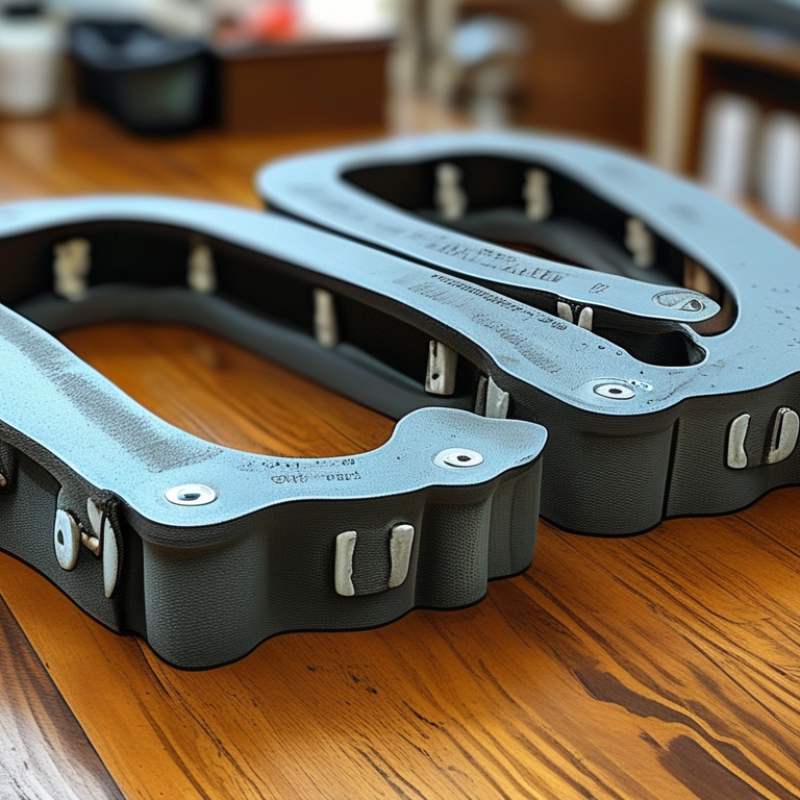
When it comes to orthopedic knee braces, size matters significantly. A well-fitted brace provides optimal support, enhances comfort, and aids recovery. If the size is incorrect, it can lead to further injury or discomfort. Understanding proper knee brace sizing is crucial. Measure your knee circumference precisely. Use a soft tape measure, and follow recommended guidelines.
Here are some tips to choose the right size. Check the manufacturer’s sizing chart before making a decision. Each brand may have variations in sizing. Don't assume your usual size applies directly to every brace. Try on the brace, adjusting straps for a snug but comfortable fit. It should not restrict blood flow or cause pain. If you feel any discomfort, it’s better to try a different size.
Consider your activity level as well. Athletes may require a tighter fit for better support during intense movement. A looser fit might be acceptable for lighter activities or recovery phases. Ultimately, keep in mind that the right size can promote healing, giving you a better chance at a full recovery.
When choosing the right size of an orthopedic knee brace, accurate measurements are crucial. The first key measurement is the circumference of the thigh. This can be taken approximately 4 inches above the kneecap. According to research from the Journal of Orthopedic Science, a proper fit can increase the effectiveness of the brace by 30%.
Another important measure is the circumference of the calf, taken about 4 inches below the kneecap. Ensuring the calf measurement matches the brace sizing chart is essential. A mismatch can lead to inadequate support, which may worsen the condition. Also, consider the length of the knee brace, which affects comfort and mobility.
Inconsistencies can occur while measuring, often due to improper techniques. Some individuals might rely solely on one measurement. This can lead to poor fit and increased discomfort. Always have a second opinion or assist with measuring. Adjustments are often necessary after initial fitting, as swelling or muscle changes may alter the required size. Make sure to verify all measurements and consult professionals when in doubt.
This chart illustrates key measurements needed for accurately sizing orthopedic knee braces. The measurements represented are critical for ensuring a proper fit and optimal support.
Choosing the right size of an orthopedic knee brace is crucial for comfort and effectiveness. Various types of knee braces exist, each tailored for different needs. For instance, sleeves provide compression, while rigid braces offer stability. According to a survey by the American Academy of Orthopaedic Surgeons, nearly 30% of patients report dissatisfaction due to improper sizing.
When selecting a knee brace, measure the circumference of your knee at its widest point. This ensures a snug fit. A brace that is too tight can restrict blood flow, while a loose fit may fail to provide necessary support. Always check the manufacturer’s sizing charts, as these vary greatly among different styles.
Remember, not all injuries require the same level of support. A soft brace may suffice for minor injuries, while a heavy-duty brace is advised for post-surgery recovery. Listening to your body is vital. If you experience discomfort with your selected brace, it may be time to reconsider your choice. Each person's knee structure is unique, and adjustments might be necessary.
When selecting the right size for an orthopedic knee brace, comfort and mobility are paramount. A well-fitting brace should not restrict blood flow or hinder movement. It's essential to measure your knee accurately, taking into account the size at rest and when in motion.
One critical tip is to check for adjustable features. Straps and velcro can enhance fit, ensuring comfort throughout the day. A properly fitted brace should feel snug but not tight. You want to avoid braces that dig into the skin when you move. Remember, the aim is to provide support without sacrificing your natural range of motion.
Another factor to consider is the material of the brace. Breathable fabrics can enhance comfort significantly. If the material is too heavy, it may lead to excessive sweating and discomfort. Try the brace on, and walk around a bit. Does it shift around? Reflect on how it feels during light exercises to ensure it won’t hinder your activity levels.
Adjusting your orthopedic knee brace properly is essential for comfort and support. Begin with a snug fit. The brace should feel secure, but not overly tight. You should be able to slide a finger underneath the straps. This balance ensures it won’t slip during movement.
After securing the brace, stand up and try bending your knee. Pay attention to how the brace moves with you. If it shifts or causes discomfort, readjust the straps. Flexibility is crucial. You need the knee brace to allow for natural movement without sacrificing support.
Regularly check the fit as you wear it. The body can change throughout the day. Swelling or changes in activity level may require adjustments. Monitor for any signs of irritation on your skin. If you feel discomfort, it’s time to reconsider your fit. Fine-tuning this adjustment process is vital for effective support.
: Proper sizing affects comfort and effectiveness. Misfits may lead to dissatisfaction and even injury.
Measure the circumference at the widest point of your knee for a snug fit.
A tight brace may restrict blood flow. A loose brace won't provide adequate support.
A soft brace is usually sufficient for minor injuries. It’s comfortable and provides necessary support.
The brace should feel snug but not tight. Ensure it doesn’t dig into your skin.
Choose breathable fabrics. Heavy materials can cause sweating and discomfort during use.
Adjust the brace snugly and check its movement while bending your knee. It should move naturally.
Regularly check the fit. Swelling or activity changes may require adjustments for comfort.
If you feel irritation or discomfort, readjust the fit. It might be time to reconsider your choice.
Flexibility allows natural movement while providing support. A brace should not limit your mobility.
Choosing the right size of orthopedic knee brace is essential for ensuring proper support and comfort. Understanding the importance of correct sizing begins with taking key measurements, such as the circumference of the thigh and calf, as well as the knee joint itself. Different types of knee braces come with their own sizing variations, making it crucial to select one that aligns with your specific needs.
When determining how to choose the right size of orthopedic knee brace, consider factors like comfort and mobility, which are vital for effective use. Additionally, once you have selected a brace, adjusting it for an optimal fit can enhance support and promote better healing. Overall, careful attention to sizing and adjustment will help you achieve the best outcomes with your orthopedic knee brace.

LDO Medical