Supporting seniors in adopting mobility aids is crucial for enhancing their quality of life. Many older adults resist using these aids due to fear and pride. As Dr. Mark Thompson, a geriatric care expert, states, "Allowing seniors to embrace mobility aids can provide them with independence." Understanding how to help a senior transition to using a mobility aid requires patience and empathy.
The first step is to engage in open conversations. Discuss their fears and concerns. Create a safe space for seniors to express their worries. Often, their reluctance stems from misconceptions. When addressing these, share success stories of others who have benefited from mobility aids. Small successes can ease apprehensions.
Moreover, involving family members can be helpful. Family support enhances encouragement and reduces feelings of isolation. Sometimes, seniors may prefer assistance from loved ones rather than professionals. Remember, each journey is unique. Reflection and flexibility in approach can lead to successful transitions. The process may not be perfect, but gradual acceptance can empower seniors. When they feel understood, the transition becomes a shared experience.
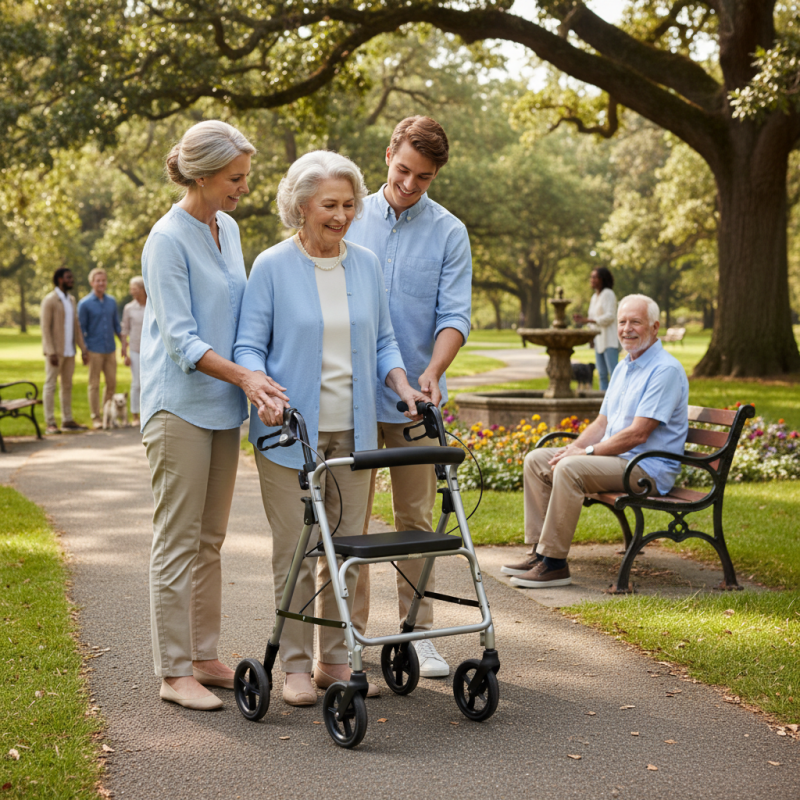
Understanding the Importance of Mobility Aids for Seniors
Mobility aids play a crucial role in enhancing the quality of life for seniors. These devices, such as walkers, canes, and scooters, provide the necessary support to maintain independence. Many seniors face challenges like arthritis, balance issues, or vision impairment. Adopting mobility aids can help them navigate their environment with confidence.
Understanding the importance of these aids goes beyond physical support. They empower seniors emotionally, fostering a sense of autonomy. A walking aid can mean the difference between isolation and social engagement. However, seniors may resist adopting these tools. They might feel embarrassed or reject the idea of needing help. Open conversations about their benefits can alleviate these feelings.
It’s essential to offer encouragement while respecting their feelings. Introducing aids can be a delicate process, often requiring patience. Discussing mobility goals can help seniors see the value in these aids. Personalized support, including demonstrations, can assist in their journey. Each step towards embracing mobility aids is a step toward better quality of life.
Support Seniors in Adopting Mobility Aids
This chart illustrates the different types of mobility aids adopted by seniors along with their respective percentages. Understanding the distribution of mobility aids can help families and caregivers provide better support to seniors.
Identifying the Right Mobility Aid Based on Individual Needs
Selecting the right mobility aid for seniors is crucial. The choice should be based on individual needs, lifestyle, and physical condition. Understanding the senior's specific mobility challenges is the first step. For some, a simple cane may suffice. Others may require a walker or a more complex device. Observing how they move at home can provide valuable insights.
A senior's home environment matters too. Some may navigate narrow hallways easily, while others struggle. If they live alone, a more stable aid, like a rollator, might be best. Engaging them in conversations about their preferences is essential. Their comfort with the aid influences its effectiveness.
Beyond physical needs, emotional support plays a role. Adapting to mobility aids can be emotional. It’s essential to validate their feelings and involve them in choosing. They might hesitate due to fear of change or loss of independence. Addressing these concerns can enrich the process.
It takes time for seniors to adjust. Ensuring a positive experience is as important as picking the right aid.
Offering Emotional and Psychological Support During Transition
Transitioning to mobility aids can be daunting for seniors. Emotional and psychological support is crucial in this process. A 2020 report from the National Council on Aging states that over 40% of seniors feel anxious about using mobility devices. This anxiety often stems from fears of dependency or loss of independence. Addressing these emotions can significantly ease the transition.
Engaging family members in conversations about mobility aids is essential. Their encouragement can help reduce feelings of isolation. Studies show that social support directly impacts seniors' willingness to adopt new practices. A survey from AARP found that 70% of seniors felt more confident when supported by loved ones. Listening to their concerns and providing reassurance creates a safe space for discussions.
Seniors often experience mixed emotions during this transition. It’s not just about physical assistance; it’s about emotional resilience. Some may feel embarrassed or frustrated. Understanding these feelings and discussing them openly is important. Encouraging a positive outlook helps build confidence. Regular check-ins can also reinforce a sense of community. This ongoing support fosters acceptance and normalizes the use of mobility aids.
Providing Practical Training for Effective Use of Mobility Aids
Adopting mobility aids can significantly enhance the quality of life for seniors. Effective training is essential for ensuring they feel comfortable and confident. Research indicates that about 40% of seniors experience mobility challenges. Understanding how to properly use these aids can reduce risks associated with falls, which are prevalent in older adults.
Practical training should emphasize the user’s needs and skills. Involving professionals who specialize in geriatric care can enhance learning outcomes. For instance, simulations that mimic real-life scenarios can be beneficial. Providing one-on-one sessions allows seniors to practice in a safe environment. This tailored approach can improve their effectiveness with the aids.
Tips: Make training sessions interactive. Encourage questions and feedback. Utilize visual aids to explain the features of mobility devices. Consider group training as it fosters a sense of community. Furthermore, remind seniors that it is okay to seek help with technology, as many devices can seem complex at first. Reflecting on their discomfort with new tools can pave the way for improvements in training. A comfortable experience can encourage ongoing use of mobility aids, ultimately enhancing independence.
Creating an Inclusive Environment to Encourage Mobility Aid Usage
Creating an inclusive environment for seniors to adopt mobility aids is vital. Many seniors feel hesitant about using canes, walkers, or scooters. The stigma surrounding mobility aids can lead to feelings of embarrassment. We need to challenge these sentiments by fostering understanding and acceptance within communities.
Visual cues are essential. Use posters and signs that promote mobility aid usage. Showcase seniors with aids happily engaging in activities. This can shift perceptions. Workshops on how to use different aids can empower seniors. This not only builds confidence but also allows them to connect with peers. One conversation can significantly change a senior's outlook on mobility aids.
Additionally, support from family and friends is crucial. Encourage open discussions about mobility needs. It’s important to recognize that adopting a mobility aid is a personal journey. Many seniors might resist at first. Listening to their concerns and fears can help ease this transition. A collaborative approach is key in creating a more accepting atmosphere.
FAQS
: Mobility aids enhance seniors' independence and quality of life. They provide support to navigate environments confidently.
Seniors often deal with arthritis, balance issues, or vision impairment. Mobility aids can address these challenges effectively.
Yes, many seniors feel embarrassed or reject the idea of needing help. Stigma plays a big role in their resistance.
Open discussions about mobility needs are vital. Listening to concerns eases the transition to using aids.
Communities should challenge stigma. Visual cues and workshops can significantly shift perceptions about mobility aids.
Discussing mobility goals and providing demonstrations can help seniors recognize the value of these aids.
Yes, mobility aids empower seniors emotionally. They foster a sense of autonomy and reduce feelings of isolation.
An inclusive environment that promotes understanding and acceptance encourages seniors to embrace mobility aids more openly.
Showcasing seniors happily using aids and providing hands-on learning can positively influence perceptions.
The process often requires patience. Each senior's journey to acceptance is unique and may include moments of resistance.
Conclusion
Supporting seniors in adopting mobility aids is essential for enhancing their quality of life and maintaining independence. The process begins by understanding the importance of these aids, which can significantly improve mobility and safety. Identifying the right mobility aid based on individual needs is crucial, as it ensures that seniors feel comfortable and confident using the equipment.
Emotional and psychological support plays a vital role during this transition, helping seniors overcome any reluctance or fear associated with using mobility aids. Practical training for effective use is equally important; providing hands-on guidance can build their skills and confidence. Finally, creating an inclusive environment encourages seniors to embrace these aids, making them feel supported and understood. In summary, knowing "How to help a senior transition to using a mobility aid?" involves a holistic approach that combines understanding, support, training, and fostering an inclusive atmosphere.

 LDO Medical