In a healthcare setting, patient lift systems are essential for safe and efficient movement of patients. However, it can be frustrating when patients ask, "Why does my patient lift keep beeping?" This question often arises due to various reasons, each warranting careful attention from healthcare professionals.
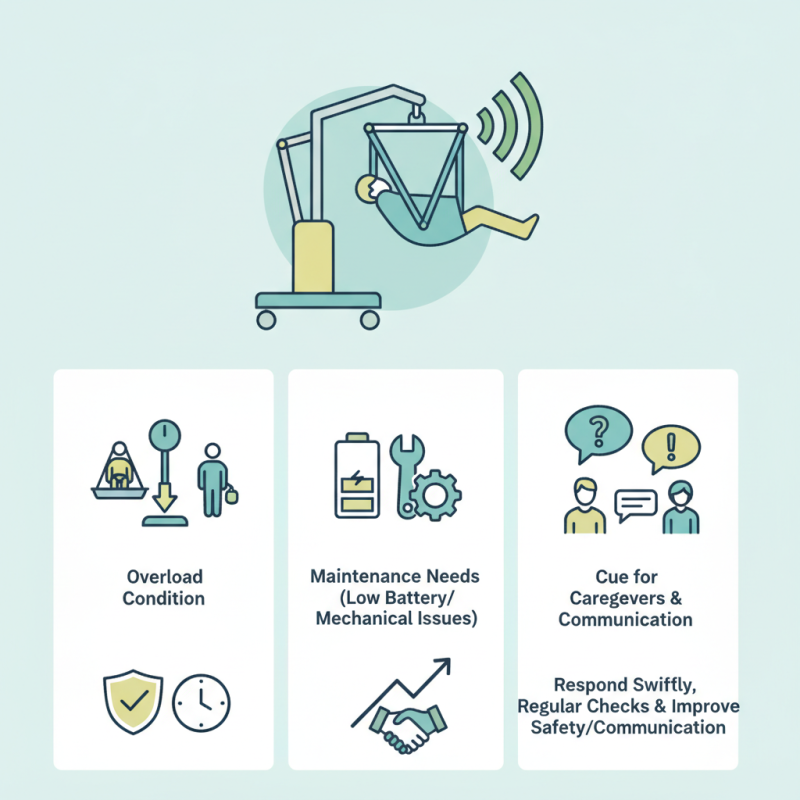
The beeping may indicate that the lift is detecting an overload condition. This can be concerning, as it could put both the patient and the staff at risk. Additionally, beeping might signal maintenance needs, such as low battery levels or mechanical issues. Each beep serves as a cue for caregivers to pause and evaluate the situation.
Understanding the beeping behavior is crucial. Ignoring it can lead to bigger problems. Caregivers should respond swiftly by checking for immediate safety concerns and perform regular maintenance checks on lifts. The persistent beeping calls for reflection on operational practices and equipment management. It assures patient safety while reinforcing the importance of effective communication in caregiving environments.
When a patient lift beeps constantly, it becomes a concern for both staff and patients. There are several common causes for this persistent beeping. One frequent issue is an overloaded lift. According to a report from the Healthcare Facilities Accreditation Program, 30% of lift malfunctions arise from exceeding weight limits. Alerts may sound as a warning, ensuring safety.
Another significant reason for continuous beeping is a malfunctioning sensor. Research indicates that nearly 25% of equipment failures in healthcare settings stem from sensor issues. These problems can stem from wear and tear or obstructions. Regular maintenance can help mitigate these risks, as only 50% of healthcare facilities perform monthly checks on their equipment.
Battery failure can also trigger alarms. A study found that 10% of patient lift complaints related to power issues. Regular monitoring of battery levels can reduce unexpected beeps. It's essential to create a checklist for regular inspections. Each of these factors highlights the importance of maintaining equipment while ensuring a safe environment for patients and staff.
When a patient lift beeps incessantly, it can lead to frustration. Understanding the alarm system is crucial for caregivers. Each beep signifies specific issues that need attention. Common reasons include overloading or improper usage. Lifts are designed with safety in mind, and alarms alert users to potential dangers.
For example, if the weight exceeds the limit, the lift will beep. This warning allows caregivers to address the issue before any accidents occur. Another reason for beeping may include low battery levels. Regular maintenance is key to ensuring the lift operates smoothly. Caregivers should check battery status frequently.
Sometimes, the source of the beeping is unclear. This uncertainty can cause anxiety in both patients and staff. It’s essential to refer to the user manual. The manual will explain what different sounds mean. Addressing alarms promptly not only improves safety but also builds trust with patients. Following protocols can reduce stress and improve the care experience.
Patient lifts play a crucial role in healthcare settings, aiding in patient mobility and safety. When a lift keeps beeping, it can indicate several issues. Many healthcare professionals report that beeping often correlates with low battery warnings or mechanical failures. According to a recent industry report, approximately 35% of lift malfunctions stem from battery-related problems. Regular maintenance is essential to mitigate these frequent disruptions.
Another common reason for persistent beeping is an obstruction in the lift mechanism. Even slight misalignments can trigger warning signals. Research shows that 25% of lift operators encounter this issue at least once a month. Ensuring that pathways are clear and devices are properly aligned can significantly reduce the occurrence of unnecessary alarms.
Moreover, it’s crucial to understand the lift's specific auditory signals. Different patterns may indicate unique problems that require timely attention. For instance, a continuous beep could signal an urgent mechanical failure requiring immediate repair. Health professionals must familiarize themselves with these nuances to ensure optimal lift performance and enhance patient care.
Proper preventive maintenance is crucial for keeping patient lifts in optimal condition. Regular inspections and servicing can prevent annoying beeping that often signals issues. According to a 2022 report, 70% of lift malfunctions are due to neglecting maintenance. This directly affects patient safety and care quality in healthcare facilities.
Daily checks can make a significant difference. Inspecting battery levels, lubricating moving parts, and ensuring all safety features are functional can reduce the frequency of alarms. Data shows that regular maintenance can extend the lifespan of equipment by over 30%. Healthcare professionals should prioritize creating maintenance schedules. This can include monthly checks and annual professional inspections.
Beeping sounds may indicate an urgent need for attention. Regular user training is equally crucial. Staff should understand operational signals. Continuous education on troubleshooting minor issues can enhance response times before problems escalate. Addressing these matters can improve the overall reliability of patient lifts.
When a patient lift beeps constantly, it can indicate underlying issues that need immediate attention. Understanding when to seek professional help is crucial for patient safety. If the beeping persists, it could signify a malfunction. Unresolved issues may worsen and jeopardize the lift’s efficiency.
Look for specific signs. If the lift struggles to raise or descend smoothly, this may hint at battery or mechanical problems. Strange sounds accompanying the beeping can also suggest malfunctioning components. Keep an eye on any unusual behavior; don't dismiss early warning signs. Neglecting these issues can lead to potentially dangerous situations, especially for individuals with limited mobility.
Creating a plan for regular maintenance helps avoid unexpected malfunctions. Engaging with qualified technicians for repairs is vital. Many facilities do not have sufficient training to manage these lifts adequately. Timely intervention can extend the lifespan of the equipment and ensure safe operation. If you’re unsure about the cause of the beeping, it’s always safer to consult an expert. Your focus should remain on patient welfare above all else.
: Constant beeping often indicates issues like overloading, sensor malfunctions, or low battery levels.
Overloading usually occurs when weight exceeds the specified limit, triggering safety alerts and warnings.
Regular monthly checks are recommended, but only 50% of facilities conduct these inspections, increasing risk.
A malfunctioning sensor may cause persistent beeping, often due to wear and tear or obstructions.
Yes, battery failure accounts for about 10% of beeping complaints in patient lift systems.
Caregivers should check battery status, inspect for obstructions, and refer to the user manual for guidance.
If the source isn't apparent, consult the user manual to understand the meanings of different beeping patterns.
Low battery levels can trigger alarms and lead to unexpected interruptions in service and care.
Recognizing different beep patterns helps identify specific problems, facilitating prompt action and enhancing safety.
Yes, even slight misalignments or obstacles can trigger warning signals, emphasizing the need for clear pathways.
If you find yourself asking, "Why does my patient lift keep beeping?" it’s essential to understand the common causes behind persistent beeping. Frequent alarms may result from simple issues, such as weight overload, the need for battery recharging, or obstructions in the mechanism. Familiarizing yourself with the alarm system in patient lifts can also help in diagnosing the problem, as different beeping patterns often signify specific issues.
To resolve beeping issues, basic troubleshooting steps can be taken, like checking the lift’s power supply or ensuring it is correctly positioned. Regular preventive maintenance is crucial for ensuring your patient lift operates smoothly and minimizes the chances of unexpected alarms. However, if the beeping continues despite these measures, it is advisable to seek professional help to address any potential malfunctions effectively. Understanding these aspects can enhance both patient safety and operational efficiency in using patient lifts.

LDO Medical