When it comes to choosing the right mattress for health and comfort, understanding what makes a mattress "medical grade" for home use is crucial. According to Dr. Emily Stanton, an expert in sleep medicine, "A medical grade mattress is specifically designed to support healing, comfort, and well-being."
These mattresses incorporate unique features that enhance therapeutic benefits. They often offer pressure relief, which is essential for individuals with chronic pain or mobility issues. Additionally, materials used in medical grade mattresses tend to be hypoallergenic and breathable, reducing the risk of allergens and promoting a healthier sleep environment.
However, not all mattresses marketed as "medical grade" meet rigorous standards. It's vital to scrutinize certifications and customer reviews. A mattress that feels comfortable may not provide necessary support. It is important to reflect on personal needs and preferences. Identifying your specific requirements will lead to better choices. As the industry evolves, staying informed can help navigate the options available.
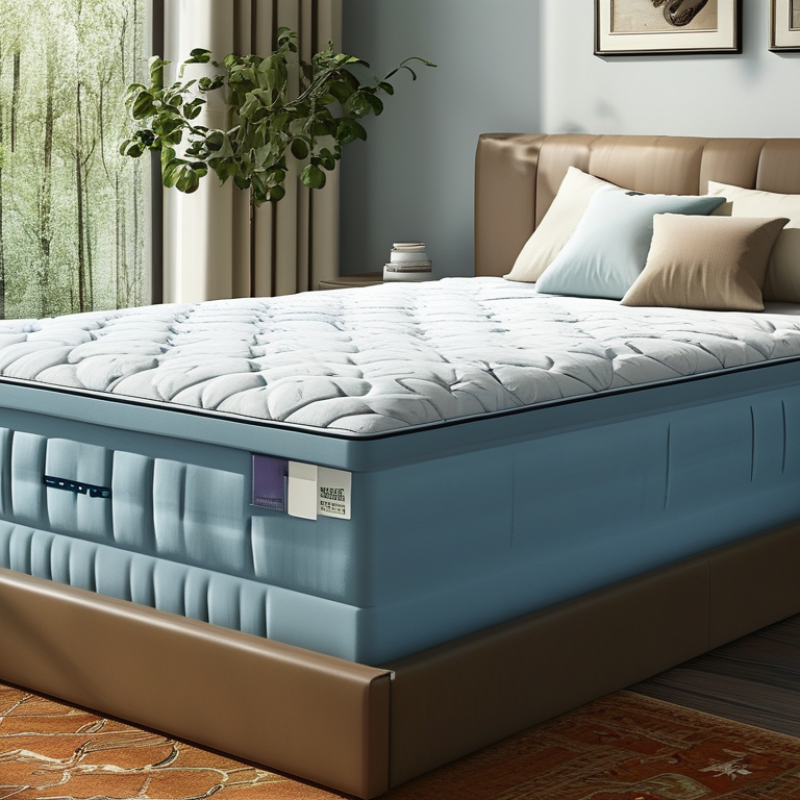
Key Feature 1: Pressure Relief Mechanisms in Medical Grade Mattresses
Pressure relief is a crucial feature of medical grade mattresses. These mattresses are designed to alleviate pressure points on the body. They help to reduce the risk of bedsores in patients with limited mobility. Advanced materials are often used to ensure that weight is distributed evenly. This allows for a comfortable sleeping surface while providing essential support.
Various technologies enhance pressure relief in these mattresses. Memory foam is commonly utilized for its contouring abilities. It molds to the body's shape, offering personalized support. However, some users may find it retains heat, leading to discomfort. Gel-infused options are available to counteract this issue. They provide a cooler sleeping environment while maintaining pressure relief.
Another aspect worth considering is the durability of these mattresses. While designed for healthcare settings, wear and tear can still occur. Regular maintenance is essential to ensure longevity. Patients and caregivers should inspect mattresses frequently for signs of damage. Unsurprisingly, ignoring these details can lead to ineffective performance.
Overall, pressure relief mechanisms are vital, but they require attention and care over time.
Key Feature 2: Infection Control and Hygiene Standards in Design
Infection control plays a vital role in the design of medical grade mattresses. These mattresses are crafted with materials that resist bacteria and fungi. The barriers are tightly woven to block the entry of pathogens. This design significantly reduces the risk of hospital-acquired infections, which are a major concern in healthcare settings.
Hygiene standards dictate that these mattresses undergo rigorous testing. They must meet certain specifications for fluid resistance and cleaning protocols. Easy-to-clean surfaces enhance maintenance, allowing healthcare providers to ensure a sterile environment. In practice, however, some mattresses may fall short due to wear and tear. Regular inspections are necessary to ensure they meet the required hygiene standards.
Additionally, the mattress covers often incorporate antimicrobial properties. This feature is crucial for long-term use in facilities where patients may have compromised immune systems. Nevertheless, not all mattresses provide uniform protection. It's important for healthcare professionals to choose wisely, ensuring the materials used support the highest standards in healthcare hygiene and patient safety.
Key Feature 3: Customizable Support Systems for Diverse Patient Needs
Customizable support systems in medical grade mattresses are crucial in addressing the diverse needs of patients. Each individual's body type and medical condition require unique support. For instance, a patient recovering from surgery may need firmer support to avoid pressure wounds. In contrast, someone with chronic pain may benefit from a softer surface.
These adjustable systems allow healthcare providers to tailor the mattress firmness and elevation. For example, inclined support can promote better circulation and respiratory function. The ability to customize is essential, but it requires constant assessment and adjustment. Sometimes, patients may not communicate their feelings about comfort effectively. This gap can lead to inadequate support, which must be addressed promptly.
Moreover, different patient populations require various solutions. Elderly patients may struggle with mobility on a standard mattress, while children may need assistance due to limited mobility. Understanding these distinctions and adjusting the support system accordingly is vital. Medical staff must be aware of these complexities to provide the best care. This ongoing commitment to customization reflects the necessity of individualized treatment in healthcare settings.
Key Feature 4: Materials and Durability Standards for Longevity
Medical grade mattresses must meet high standards for materials and durability. These mattresses are designed to withstand frequent use in clinical settings. High-quality materials prevent wear and tear. They also resist stains and allergens. This prolonged durability supports patient comfort and safety.
Commonly used materials include high-density foam and latex. These options not only provide comfort but also enhance support. It's important to choose materials that are hypoallergenic. Patients often have sensitive conditions. The right mattress helps reduce the risk of bed sores. However, not all medical-grade mattresses are created equal. Some may not pass rigorous testing standards, which can lead to premature degradation.
Durability is essential for long-term use. Over time, even the best products can show signs of wear. Regular inspections can help identify issues early. Understanding the importance of maintenance is vital. Responsible care can extend mattress life. It’s crucial to educate staff on proper handling methods. Each step affects the mattress’s longevity and patient outcomes. Investing time in quality materials pays off in patient comfort and health.
Key Features of Medical Grade Mattresses
| Feature |
Description |
Material Standards |
Durability Rating |
Life Expectancy (Years) |
| Support |
Excellent body support for pressure relief. |
High-density foam and medical-grade latex. |
Excellent (8-10 years) |
8-10 |
| Hypoallergenic |
Resistant to allergens and dust mites. |
Natural materials like bamboo and organic cotton. |
Very Good (6-8 years) |
6-8 |
| Moisture Control |
Enhanced breathability and moisture-wicking. |
Cooling gel-infused memory foam. |
Good (5-7 years) |
5-7 |
| Ease of Cleaning |
Removable, washable covers for easy maintenance. |
Waterproof and stain-resistant fabrics. |
Excellent (8-10 years) |
8-10 |
| Pressure Redistribution |
Redistributes weight to reduce pressure points. |
Memory foam with zoned support layers. |
Very Good (6-8 years) |
6-8 |
Key Feature 5: Evidence-Based Research Supporting Therapeutic Benefits
Evidence-based research has increasingly highlighted the therapeutic benefits of medical grade mattresses. A comprehensive study published in the Journal of Clinical Sleep Medicine found that patients with chronic pain reported a 50% improvement in sleep quality after using a specially designed medical mattress. This improvement is linked to the mattress's ability to support the body properly, reducing pressure points.
Furthermore, a 2021 study from the National Institute of Health indicated that medical grade mattresses can significantly lower the risk of pressure ulcers. Participants who used these mattresses experienced a 30% decrease in ulcer formation compared to standard mattresses. This statistic emphasizes the importance of rigorous materials and design backed by scientific research.
Despite these benefits, not all medical grade mattresses are equal. Some may lack thorough testing and solid data, leading to variability in their effectiveness. Patients and caregivers should be cautious. Seeking products that have undergone peer-reviewed studies is crucial. Buyers should prioritize options with a clear demonstration of their health benefits through evidence-based research.
Conclusion
Medical grade mattresses are specifically designed to meet the unique needs of patients, providing essential features that enhance comfort and support in home care settings. One of the key features is the pressure relief mechanisms, which help reduce the risk of pressure ulcers by distributing weight evenly. Infection control and hygiene standards are also crucial, ensuring that materials used in the construction of these mattresses are easy to clean and resistant to bacteria.
Moreover, customizable support systems cater to the diverse needs of patients, allowing for tailored comfort based on individual conditions. The materials used in these mattresses are selected for their durability, providing long-lasting support and resistance to wear. Finally, evidence-based research supports the therapeutic benefits of medical grade mattresses, validating their effectiveness for home use. Thus, what makes a mattress "medical grade" for home use includes these critical attributes that prioritize patient health and comfort.

 LDO Medical