When discussing rehabilitation products, one question arises: "Why is bariatric equipment different from standard rehab products?" Bariatric equipment is specifically designed to support individuals with higher body weights. It plays a crucial role in promoting safety and comfort during rehabilitation. Standard equipment often lacks the strength and size needed for larger individuals.
The design differences are essential. Bariatric products typically have reinforced structures and broader dimensions. They are engineered to handle greater loads, ensuring durability and reliability. This specialization helps prevent equipment failure, which can lead to injuries.
Understanding these key differences improves patient outcomes. It enhances the user experience during therapy. The proper selection of rehabilitation tools is vital. While standard products may work for some, they do not meet the needs of everyone. This nuance is significant in fostering effective rehabilitation for those requiring bariatric support. By recognizing these differences, healthcare providers can make informed choices, ultimately benefiting their patients.
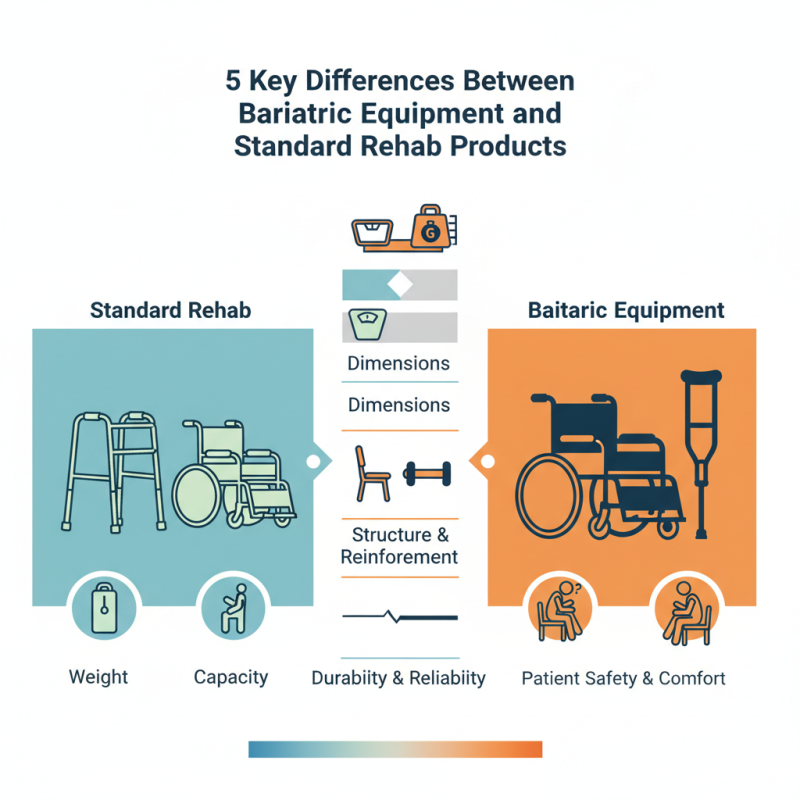
Bariatric equipment is specifically designed for individuals with higher body weights, addressing their unique needs during rehabilitation. These tools provide support and ease of use, unlike standard rehab products. The National Center for Biotechnology Information emphasizes that tailored equipment can significantly improve outcomes for those undergoing weight-related surgeries.
Bariatric equipment includes larger wheelchairs, specialized hospital beds, and adjusted walking aids. According to a report by the American Journal of Nursing, such devices can withstand up to 1,000 pounds, ensuring safety and comfort. Each piece is engineered to accommodate the physical realities faced by bariatric patients and to promote independence.
**Tip:** When selecting bariatric equipment, check the weight limits and adjustability features.
The distinction between standard and bariatric products lies in material strength and design considerations. Standard options often lack the necessary support for heavier users. Investing in properly designed equipment can lower complication rates. However, it's crucial to ensure that training is provided, as users may struggle initially with unfamiliar tools or lack confidence.
**Tip:** Prioritize professional guidance in equipment use to ensure safety.
Understanding these key differences can lead to better care practices. It fosters an inclusive environment, which is essential in rehabilitation spaces. Proper equipment can not only enhance patient experience but also reduce caregiver strain. The ongoing challenge remains to ensure widespread access to these resources for bariatric patients.
This bar chart illustrates the key differences between bariatric equipment and standard rehab products across five key dimensions: weight capacity, width, durability, cost, and adjustability. Bariatric equipment is designed to support higher weight limits and offers enhanced durability compared to standard products.
When comparing bariatric equipment and standard rehabilitation products, the weight capacity is a crucial factor. Bariatric equipment is designed to accommodate higher weight limits, ensuring safety and support for individuals with obesity. Typically, these items can support weights of 300 pounds or more. In contrast, standard rehab products often have limits ranging from 200 to 250 pounds.
The construction of bariatric products is sturdier. Manufacturers use reinforced materials to enhance durability. This is vital because clients using these devices often require them for extended periods. However, the focus on higher weight capacities can sometimes lead to bulkier designs. This may limit mobility in tight spaces.
Ultimately, selecting the right equipment demands careful consideration. It's essential to match the user's needs with the capabilities of the product. Some professionals may overlook this, leading to discomfort or, worse, injuries. Understanding these differences can guide better choices in rehabilitation settings.
Bariatric equipment is specifically designed to support users with a larger body mass. This focus on user safety and comfort sets it apart from standard rehab products. According to a study by the American Journal of Preventive Medicine, nearly 40% of U.S. adults are classified as obese. The design of bariatric equipment takes this statistic to heart, featuring reinforced frames, wider seating, and higher weight capacities.
User safety is paramount. Many bariatric products come with enhanced support features like slip-resistant surfaces. These details minimize the risk of falls, a common concern cited in reports from the CDC. Comfort is equally prioritized. Users often report needing more space and support. Equipment designed for bariatric use typically accommodates these needs, allowing for more comfortable rehabilitation sessions. However, not all facilities have adapted.
This gap in access can lead to discomfort and reduced participation in necessary rehab activities. The materials used are crucial. Bariatric equipment often utilizes advanced polymers and metals that withstand increased pressure. Yet, the industry faces challenges. While some products excel in safety, others may neglect aesthetics or portability. As the market evolves, it’s essential to strike a balance between function and form. Examining these gaps can lead to improved designs that truly enhance the rehabilitation experience for all users.
Bariatric equipment serves a crucial role in rehabilitation. Its design focuses on accommodating the unique needs of individuals with obesity. These products often have higher weight capacities compared to standard rehab items. This differentiation is essential for safety and durability. For example, a bariatric wheelchair may support up to 600 pounds. Standard models typically max out around 300 to 400 pounds.
Functionality extends beyond just weight limits. Bariatric equipment often features wider seats and reinforced frames. This makes them more comfortable and secure for users. While standard equipment may lack these specialized features, it can still be effective for other rehabilitation needs. The challenge lies in ensuring that every individual receives appropriate support. We must reflect on how inclusivity influences equipment design. Products should evolve to meet diverse patient requirements.
Another aspect is the adjustment mechanisms. Bariatric equipment often includes more robust height and width adjustments. This flexibility is key for accommodating different body types. Standard rehab products may not offer the same degree of customization. It's vital to consider how these differences impact recovery and comfort. Users and providers alike should remain vigilant about equipment choices. Understanding these nuanced differences can dramatically alter the rehabilitation experience.
| Dimension | Bariatric Equipment | Standard Rehab Products |
|---|---|---|
| Weight Capacity | Up to 1000 lbs | Typically up to 300 lbs |
| Frame Material | Reinforced steel or aluminum | Standard steel or aluminum |
| Design Features | Wider seats, specialized support | Standard sizing for average users |
| Cost | Generally higher due to specialized materials | Lower, designed for mass production |
| Usage Context | Specialized rehab facilities, home care for heavier patients | General rehab facilities, clinics |
Cost considerations are crucial when evaluating bariatric equipment versus standard rehab products. Bariatric items often come with a higher price tag. However, this cost reflects specialized design features and enhanced durability. The materials used are typically higher in quality. This translates into a longer lifespan, which may justify the initial expense.
Additional expenses can arise from maintenance and training. Staff using bariatric products may require training. Without proper education, equipment may not be utilized effectively. This can lead to increased costs over time. Standard rehab products, while generally cheaper, may not withstand the same wear and tear, potentially raising replacement costs.
Evaluating value is about more than just upfront expenses. Consider the long-term benefits. Bariatric equipment enhances safety for users and caregivers alike. It helps prevent injuries, which can incur additional costs. Investing in quality products can encourage better patient outcomes and overall efficiency in rehabilitation settings.
: Bariatric equipment is designed for individuals with higher body weights, aiding in rehabilitation.
Bariatric products have stronger materials and specialized designs to support heavier users.
Common types include larger wheelchairs, specialized hospital beds, and adjusted walking aids.
Safety features, like slip-resistant surfaces, reduce fall risks, which are a common concern for users.
Proper training ensures that users understand how to utilize the equipment effectively and safely.
Yes, while they may be pricier, they often last longer and enhance safety for users and caregivers.
Advanced polymers and durable metals are used to withstand increased pressure and provide stability.
It can improve rehab outcomes, enhance user comfort, and potentially reduce long-term costs.
No, not all facilities have adapted, which can lead to discomfort and reduced participation in rehab.
Enhancing aesthetics and portability can improve the overall rehabilitation experience for users.
Bariatric equipment is specifically designed to meet the needs of individuals with higher weight capacities, distinguishing it significantly from standard rehabilitation products. Why is bariatric equipment different from standard rehab products? Primarily, it accommodates greater weight limits and includes design features that enhance safety and comfort for its users, such as wider seating, reinforced structures, and adjustable components.
Furthermore, the functionality of bariatric equipment addresses specialized rehabilitation needs, often providing enhanced support for mobility and daily tasks. When considering cost, while bariatric products may have a higher upfront price, they offer significant value through improved durability and user safety, ultimately enhancing the rehabilitation experience for those who require it. Understanding these differences is crucial for selecting the appropriate equipment to ensure effective and safe rehabilitation.
LDO Medical