How to Effectively Use an Oxygen Concentrator at Home?

Time:2026-07-18 Author:Henry
0%

Managing respiratory therapy at home can be a daunting task. "How to manage respiratory therapy at home with an oxygen concentrator?" is a question many patients face. According to Dr. Emily Carter, a leading respiratory therapist, "Proper use of an oxygen concentrator can significantly improve a patient’s quality of life." Her insights emphasize the importance of understanding how these devices work.

Using an oxygen concentrator effectively combines knowledge, practice, and routine. Patients often feel overwhelmed by settings and maintenance. Familiarizing oneself with the device can ease much of the stress. It's crucial to check humidity levels and filter cleanliness regularly. Small details can make a big difference in device performance.

Yet, there is often a gap between knowledge and action. Some users still struggle to implement best practices. Connecting with respiratory experts can bridge this divide. Support networks and patient education are vital in ensuring successful home therapy. Embracing this learning process is necessary for safety and effectiveness in oxygen therapy.
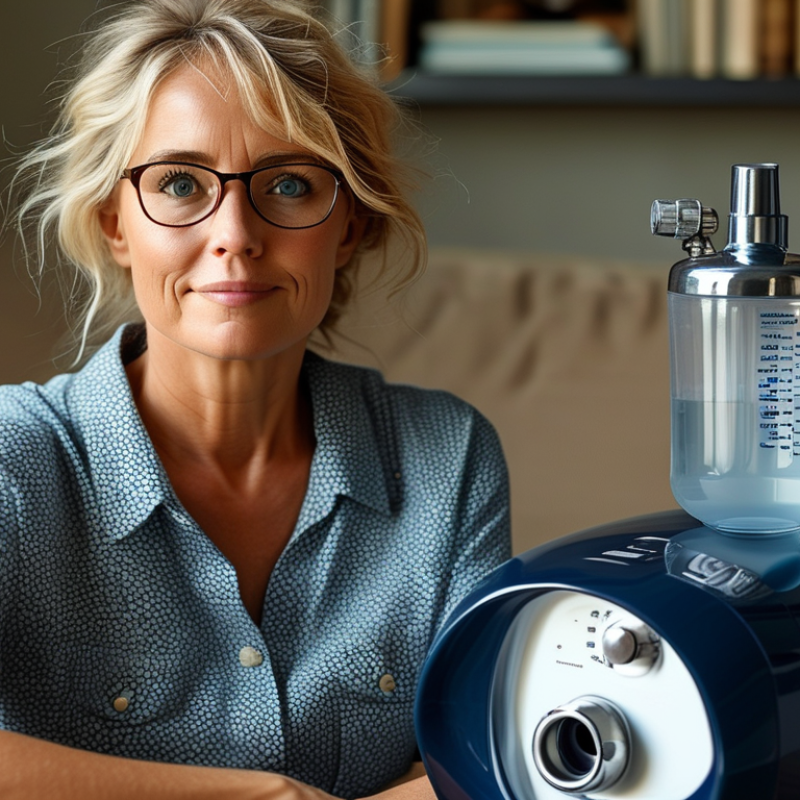
How to Effectively Use an Oxygen Concentrator at Home?

Understanding the Basics of Oxygen Concentrators and Their Functionality

Oxygen concentrators serve a vital role in enhancing respiratory health at home. These devices pull in air, filtering out nitrogen and other gases, delivering pure oxygen. Understanding how they work is essential for effective and safe use. Each unit generally includes an air compressor, filters, and a nasal cannula or mask for oxygen delivery. This basic mechanism is crucial for patients with chronic respiratory conditions.

When using an oxygen concentrator, proper setup is key. Ensure the device is in a well-ventilated space away from obstructions. Regular maintenance is necessary. Clean the filters frequently to prevent dust buildup. Users often overlook this step. Monitoring oxygen levels can also be tricky; patients should understand their prescribed flow rates. If discomfort arises, don’t hesitate to consult a healthcare professional.

Individuals may encounter issues such as noise or discomfort during use. These experiences can be frustrating. Adjusting the flow rate or the position of the nasal cannula might help. Reflect on your comfort and usage habits regularly. Carving out time for these reflections can improve your overall experience with the concentrator.

Choosing the Right Oxygen Concentrator for Home Use

Choosing the right oxygen concentrator for home use is crucial for those requiring supplemental oxygen. Begin by assessing your medical needs. Consult your healthcare provider to determine your oxygen flow rate. This will guide your selection. Concentrators come in different flow options. Some are meant for continuous use, while others cater to intermittent needs.

Consider the device's size and portability. A lightweight model is helpful if you plan to move it around your home. Check the noise level as well; quieter models enhance comfort, especially during nighttime use. Battery life is another vital factor. A longer-lasting battery provides more freedom, especially during power outages.

Think about maintenance requirements too. Regular cleaning is essential for optimal performance. Some models require filter changes every few months, while others may need less frequent maintenance. It's helpful to keep a log of when these tasks are due. Understand that every choice comes with trade-offs. Finding a balance between features and your specific needs might require some reflection and adjustment.

Step-by-Step Setup and Operation of Your Oxygen Concentrator

When setting up your oxygen concentrator at home, ensure a clean environment. Place the machine on a flat surface, away from walls. Good ventilation is crucial. Before turning on the device, check filters for dust. This step can enhance efficiency, as reported by the American Academy of Family Physicians. Poor maintenance can lead to a 30% decrease in oxygen output.

Tips: Regularly clean the filters to maintain airflow. Dust can accumulate quickly, affecting performance.

Next, connect the nasal cannula or mask securely. Adjust the flow rate according to your doctor’s prescription. Each person has unique needs. A study by the British Thoracic Society indicates that incorrect flow settings lead to 25% of patients not receiving adequate oxygen.

Tips: Check your oxygen saturation levels with a pulse oximeter. This small device can provide immediate feedback on your breathing needs.

After setup, monitor for any unusual noises or alarms. They may signal a problem. Regular checks of the concentrator can help identify issues early, preventing interruptions in oxygen therapy. Don’t hesitate to ask for assistance if uncertain about any aspect of operation.

Usage Trends of Oxygen Concentrators at Home

This bar chart illustrates the usage trend of oxygen concentrators at home throughout different times of the day. It helps to visualize how oxygen flow varies, with peak usage likely occurring in the afternoon and evening.

Maintenance Tips for Optimal Performance of Your Oxygen Concentrator

Oxygen concentrators require regular maintenance for optimal performance. A clean device enhances efficiency and longevity. According to industry reports, proper upkeep can extend the lifespan by up to 25%. Regular checks on filters and tubing are essential. Clogged filters impede airflow and reduce oxygen delivery.

Tip: Clean filters weekly. Use a damp cloth to remove dust and debris. This simple step can significantly improve function.

The concentrator should be kept in a well-ventilated area. Avoid placing it near curtains or furniture that may obstruct airflow. Industry studies indicate that proper placement can lead to a 15% increase in effectiveness.

Tip: Inspect tubing for leaks monthly. A small leak can lead to substantial oxygen loss. This oversight can compromise therapy, leading to potential health risks.

Monitoring your device's performance metrics is crucial. Look for any alarms or unusual noises. They can indicate issues that require prompt attention. Ensure your oxygen concentrator is always ready when you need it most.

Safety Guidelines and Precautions While Using an Oxygen Concentrator at Home

When using an oxygen concentrator at home, safety is crucial. The American Thoracic Society emphasizes that maintaining proper clearance around the device is essential. Keep it at least a few feet away from heat sources. This helps to prevent overheating and potential fire hazards. Ensure proper ventilation in the room to avoid excessive buildup of oxygen, which can be dangerous.

Always check the equipment regularly. According to the National Heart, Lung, and Blood Institute, faulty equipment can pose significant risks, including inadequate oxygen delivery. Make sure that connections are secure and filters are clean. Regular maintenance can extend the lifespan of the concentrator and ensure it functions effectively.

Educate everyone in the household. Ensuring that family members understand the operation and safety precautions can reduce the risk of accidents. Oxygen is not flammable, but it supports combustion. Even small sparks can ignite, so avoid smoking or using flammable materials nearby. Simple guidelines—like keeping the concentrator dry—can prevent serious issues. Regular assessments and a proactive approach to safety increase reliability and peace of mind.

How to Effectively Use an Oxygen Concentrator at Home? - Safety Guidelines and Precautions While Using an Oxygen Concentrator at Home

Dimension Details
Oxygen Concentrator Type Portable and Stationary
Typical Flow Rate 1-10 L/min
Oxygen Purity 90% - 96%
Common Uses COPD, Sleep Apnea, Heart Conditions
Safety Precautions Avoid open flames, No smoking, Regular maintenance
Cleaning Guidelines Clean filters every 1-2 weeks, Wipe down exterior weekly
User Training Tips Read the manual, Seek guidance from healthcare providers
Emergency Procedures Know how to switch to backup oxygen, Have a contact list ready

FAQS

: How should I set up my oxygen concentrator at home?

: Place it on a flat surface, away from walls. Ensure good ventilation.

Why is it important to check the filters before use?

Dusty filters can decrease oxygen output by 30%. Clean filters enhance efficiency.

How often should I clean the filters of my concentrator?

Clean the filters weekly to maintain airflow. Use a damp cloth for dust removal.

What should I do if I hear unusual noises?

Monitor for alarms or strange sounds. They may indicate potential problems needing attention.

How can I ensure the correct flow rate?

Adjust the flow rate according to your doctor’s prescription. Each patient has unique needs.

What is the role of a pulse oximeter?

It measures oxygen saturation levels. This feedback helps you adjust your oxygen therapy.

How can improper placement affect my device's performance?

Keeping it near curtains or furniture can obstruct airflow, leading to a 15% decrease in effectiveness.

Why is regular maintenance essential?

Regular checks can extend the device's lifespan by up to 25%. Proper upkeep enhances performance.

What should I inspect monthly?

Check the tubing for leaks. Small leaks can lead to significant oxygen loss over time.

When should I seek assistance with my concentrator?

Don’t hesitate to ask for help if you’re unsure about any operation aspect. It’s better to be safe.

Conclusion

To effectively manage respiratory therapy at home with an oxygen concentrator, it is essential to understand the basics of how these devices work. Oxygen concentrators are designed to extract oxygen from the air, providing a steady supply for individuals with respiratory issues. Selecting the right model tailored to specific needs is crucial, as it ensures optimal functionality and comfort.

Once the appropriate concentrator is chosen, following a clear step-by-step setup and operational guide will facilitate ease of use. Regular maintenance is also vital for ensuring the concentrator's performance and longevity. Additionally, adhering to safety guidelines and precautions can prevent accidents and ensure the safety of the user and those around them. By comprehensively addressing these factors, individuals can successfully incorporate oxygen therapy into their daily routines at home.

Henry

Henry

Henry is a dedicated marketing professional with a profound expertise in the company's offerings. With years of experience in the industry, he possesses an impressive understanding of the market dynamics and consumer behaviors that drive success. Henry is committed to sharing his insights through......