Creating a safe home rehabilitation environment is crucial for effective recovery. According to Dr. Emily Stanton, a leading physical therapist, "Safety and comfort are the pillars of successful rehabilitation at home." This quote highlights the importance of both aspects when designing a recovery space.
When focusing on how to set up a safe home rehabilitation environment, several factors must be considered. Clear pathways free of obstacles ensure easy mobility. Proper lighting can prevent falls, especially at night. Essential items should be within easy reach, reducing strain and risk of injury. The right furniture also plays a significant role. For instance, chairs with armrests can aid in standing up safely.
Reflecting on common challenges is also important. Many forget to assess the ground surfaces. Slippery floors may pose risks. It can be helpful to involve a rehabilitation professional to evaluate your space. Engaging family members in this process can further enhance safety and support. Ultimately, a well-thought-out environment promotes healing and confidence during recovery.
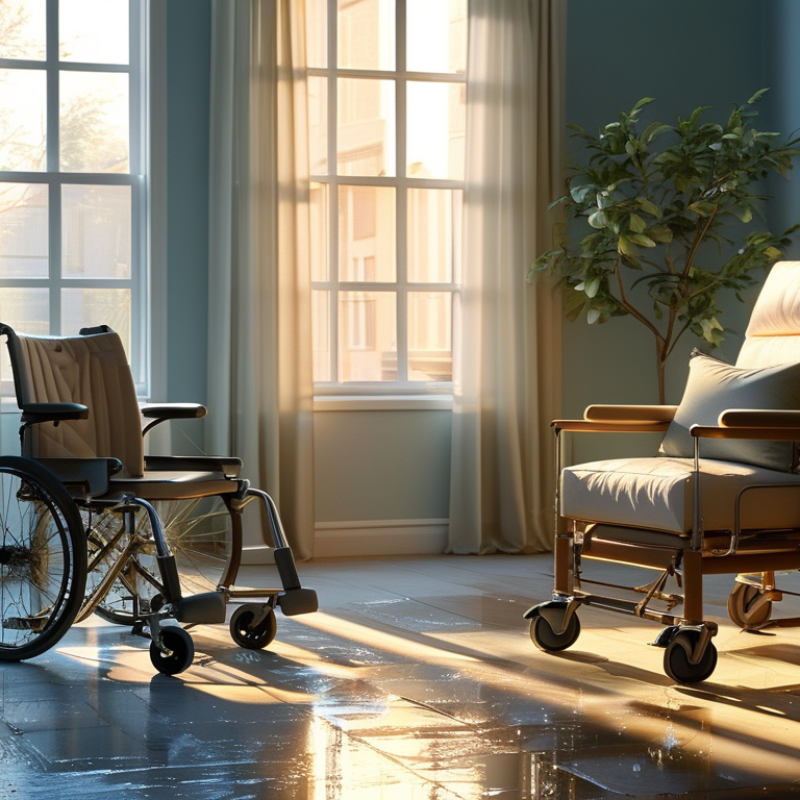
Creating a safe home environment for rehabilitation begins with a thorough understanding of individual needs. Each person’s rehabilitation journey is unique. Assessing their physical abilities, mental health, and emotional support systems is critical. This assessment helps identify potential hazards in the home. It also informs necessary adaptations, like grab bars or ramps.
Consider the specific challenges individuals face. For instance, someone recovering from hip surgery may need wider spaces to move. Cognitive impairments may lead to confusion in navigating the home. These factors highlight the importance of tailored solutions. Engaging with healthcare professionals can guide these assessments. However, families often overlook minor details. A cluttered environment poses risks, yet many underestimate its impact.
Connecting with support groups can provide insights into common challenges. It allows caregivers to share experiences and strategies. While plans may seem sufficient, constant reflection is necessary. Regular check-ins can reveal emerging issues. Adapting the environment must be an ongoing process, driven by the individual’s evolving needs.
| Dimension | Description | Recommendations |
|---|---|---|
| Physical Space | Assess the size and arrangement of the home to facilitate mobility for individuals in rehabilitation. | Remove obstacles, ensure clear pathways, and consider the use of adaptive furniture. |
| Safety Measures | Evaluate safety features such as grab bars, non-slip mats, and adequate lighting. | Install grab bars in bathrooms, use non-slip flooring, and provide bright, even lighting. |
| Emotional Support | Determine the need for emotional support from family, friends, or professionals. | Encourage regular visits from supportive individuals and consider therapy options. |
| Health Monitoring | Review health care requirements including medication schedules and medical equipment availability. | Set reminders for medications and ensure accessibility to medical equipment like walkers or wheelchairs. |
| Social Interaction | Assess the individual’s social needs and ability to interact with others. | Organize social activities or support groups to encourage interaction. |
: Understanding individual needs helps create a safe home. It identifies hazards and informs necessary adaptations.
Physical abilities, mental health, and emotional support systems are crucial factors to consider.
A cluttered space can lead to falls and accidents, often underestimated by families.
Open spaces, non-slip rugs, and furniture arranged to minimize obstacles are essential.
Bright and adjustable lighting helps avoid falls. Night lights in key areas are especially important.
Assistive technology enhances safety and fosters independence, like grab bars or voice-activated devices.
Each recovery journey is unique. What works for one person may not suit another's needs.
Connecting with support groups allows caregivers to exchange experiences and strategies for common challenges.
Regular check-ins and reflections are necessary to adapt the environment to evolving needs.
Families often overlook minor details, which can significantly affect safety and comfort.
Creating a safe home rehabilitation environment is essential for supporting recovery and maximizing independence. To answer the question, "How to set up a safe home rehabilitation environment?" one should start by assessing the specific needs of the individual undergoing rehabilitation. This involves identifying potential hazards within the home and taking steps to minimize them, ensuring a safe space conducive to healing.
Incorporating supportive design features, such as handrails and non-slip flooring, can enhance safety while promoting accessibility and mobility throughout the home. Establishing a consistent routine with a reliable support system is also crucial for progress, providing both motivation and assistance as individuals navigate their rehabilitation journey. By focusing on these elements, a safe and effective home rehabilitation environment can be successfully established.

 LDO Medical