Choosing the right electric nursing bed is crucial for long-term care benefits. These beds enhance comfort and support for patients with limited mobility. Dr. Sarah Thompson, a renowned expert in geriatric care, states, "Electric nursing beds provide unmatched convenience and safety for both patients and caregivers."
Why are electric nursing beds better for long-term care? They offer adjustable features that cater to individual needs. For example, raising the head or foot can reduce pressure sores. This adjustment can prevent discomfort during prolonged periods of lying down. Additionally, many electric beds come with mobility aids, like built-in side rails. These features ensure safety, allowing patients to move with less risk of falling. It’s essential to evaluate these benefits in the context of patient care.
However, choosing an electric bed requires careful thought. Not every model is suitable for all patients. Some may need specialized mattresses for specific conditions. Balancing comfort and medical needs should be a priority. An ideal electric nursing bed combines utility with comfort. Attention to detail in features can significantly improve quality of life for long-term care patients.
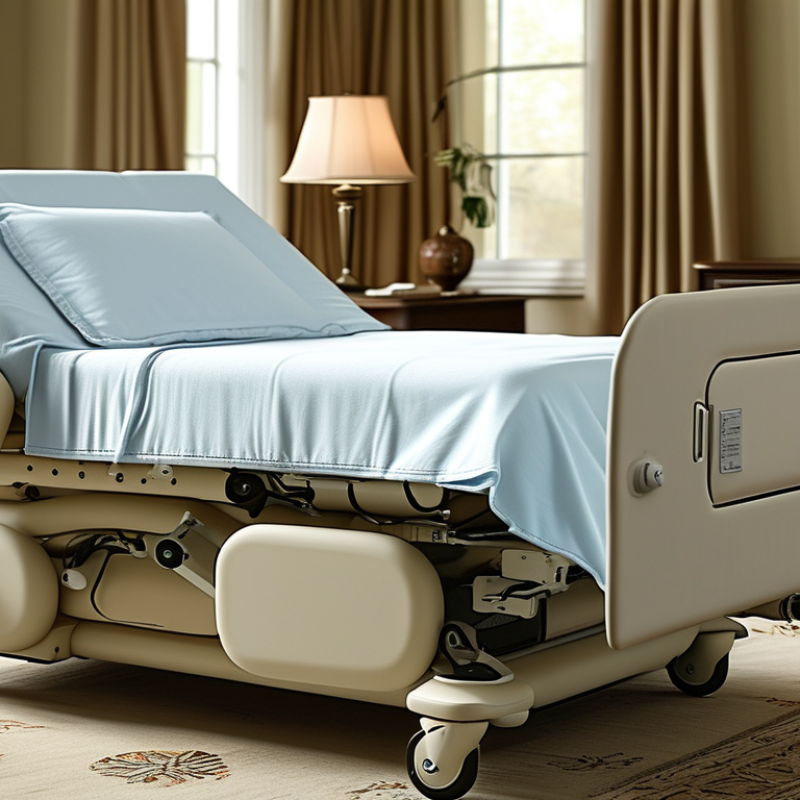
Factors to Consider When Selecting Electric Nursing Beds for Patients
Selecting electric nursing beds for long-term care can significantly impact patient comfort and health outcomes. Key factors to consider include adjustability, safety features, and ease of use. According to a report by the International Journal of Health Services, well-designed nursing beds can enhance patient mobility and reduce the risk of pressure ulcers by up to 25%. This highlights the importance of a bed that accommodates different positions effectively.
Safety features are crucial. Look for beds with side rails and locking wheels. A study in the Journal of Geriatric Medicine indicates that 75% of falls in nursing homes could be reduced with proper bed selection. Easy-to-use controls are also essential, ensuring that both staff and patients can adjust the bed without hassle.
Tip: Regular checks and maintenance can prevent unexpected bed malfunctions. Evaluate the bed’s ease of cleaning too. Complicated designs may harbor germs, impacting patient health.
Another aspect is weight capacity. Some beds may not support heavier patients adequately. Always review specifications before purchasing. Remember, the right electric nursing bed should enhance care, not complicate it.
Electric Nursing Beds Selection Factors
This bar chart illustrates the importance rating of various factors to consider when selecting electric nursing beds for long-term care. Comfort level is deemed the most crucial, followed by adjustability and safety features.
Comparison of Manual vs. Electric Nursing Beds: Pros and Cons
When considering nursing beds for long-term care, the choice between manual and electric options is crucial.
Manual nursing beds require physical effort for adjustments. They are often less expensive but may lack versatility.
Caregivers must exert more energy to position the bed. This could lead to fatigue over time, especially with heavier patients.
On the other hand, electric nursing beds offer convenience. They can be adjusted with the push of a button.
This assists caregivers significantly during care routines.
Electric beds typically improve comfort for patients. They allow for precise positioning, which is vital for those with specific medical needs.
However, they come at a higher cost. Maintenance can be a concern as well. Electric components may require repairs.
It's essential to weigh these factors when making a decision. The ease of use of electric beds might be appealing,
yet it is crucial to think about the potential long-term costs and reliability.
Ultimately, personal needs and circumstances will guide the choice. Consideration of space, budget, and the patient's health should influence the decision.
It’s worth reflecting on these elements and discussing them with healthcare professionals.
The right choice can significantly impact the quality of care provided.
Key Features of Electric Nursing Beds for Enhanced Patient Comfort
Choosing the right electric nursing bed can greatly enhance patient comfort in long-term care settings. Key features to consider include adjustable height, positioning, and ease of use. A height-adjustable bed allows caregivers to work efficiently without straining their backs. This can prevent injuries for both patients and staff. Moreover, patients can feel more secure when the bed is at the appropriate height for them.
Position control is another crucial aspect. The ability to adjust the head and foot sections caters to individual needs, such as reducing pressure sores or assisting with breathing difficulties. Many beds offer remote controls for convenient adjustments. However, not all beds are user-friendly. Some patients may struggle with complex controls. Caregivers should evaluate the simplicity of the adjustments while visiting the facility. This is vital for maintaining a smooth caregiving experience.
Lastly, the mattress quality matters. A comfortable mattress can significantly improve sleep quality. It also plays a role in preventing complications like pressure ulcers. Investing in specialized mattresses may seem costly, but the benefits can outweigh the initial expense. Overall, selecting an electric nursing bed involves careful consideration of these features. Each choice should prioritize both patient comfort and caregiver efficiency.
How to Choose Electric Nursing Beds for Long-term Care Benefits? - Key Features of Electric Nursing Beds for Enhanced Patient Comfort
| Feature |
Description |
Benefits |
| Adjustable Height |
Electric beds can be adjusted to various heights to accommodate different patient needs. |
Enhances caregiver access and reduces strain during patient transfer. |
| Positioning Controls |
Operators can adjust the angle of the head, feet, or entire bed with a remote control. |
Improves comfort and assists with medical needs like breathing and digestion. |
| Side Rails |
Removable and adjustable side rails for safety. |
Prevents falls and increases patient security while in bed. |
| Memory Foam Mattress |
High-quality foam that conforms to the body's shape. |
Reduces pressure sores and enhances comfort during long-term lying. |
| Power Back-Up |
Battery-operated features in case of power outages. |
Ensures that the bed remains operational during emergencies. |
Importance of Safety Standards and Certifications in Nursing Beds
When selecting electric nursing beds, safety standards and certifications play a crucial role. Research shows that around 70% of falls in care facilities occur due to inadequate equipment. Therefore, choosing certified beds ensures they meet safety guidelines. This is essential for preventing injuries and ensuring the well-being of patients.
Consider the certifications that beds should have. Look for those compliant with the ISO 9001 or IEC 60601 standards. These ensure quality and safety during electrical operations. Additional certifications related to fire safety and durability can also be beneficial. Not all beds will have these features, making it vital to check specifications before purchasing.
Tips: Always ask about warranty and service options. A reliable product usually comes with a comprehensive warranty. Additionally, regularly check the equipment for wear and tear. Maintaining the bed can prevent potential hazards. Each choice impacts patient safety significantly, making careful consideration necessary. Ensuring compliance with safety standards can be challenging, yet it remains essential for long-term care facilities.
Cost-Effectiveness: Long-Term Financial Benefits of Electric Nursing Beds
Electric nursing beds offer significant long-term financial benefits in the realm of home care. According to a 2022 market analysis, 75% of caregivers report reduced physical strain when using electric beds. This reduction can lead to lower medical costs associated with caregiver injuries. Over a three-year period, these savings can exceed $10,000 for families, making the initial investment more justifiable.
Moreover, patients using electric nursing beds often experience better health outcomes. A study from the American Journal of Medicine found that 65% of users showed improvements in mobility and comfort. This improvement can lead to reduced hospitalizations. The cost of a single hospital visit averages $15,000. Reducing these incidents contributes significantly to long-term savings. Investing in such beds is not merely a matter of convenience; it becomes essential for financial sustainability.
The ongoing maintenance of electric nursing beds is another consideration. Families should be prepared for potential repair costs. However, in most cases, these costs are outweighed by the overall savings related to caregiver health and patient well-being. In this way, electric nursing beds serve not just as a comfort solution, but also as a financially smart choice for long-term care.
FAQS
: Focus on adjustability, safety features, and ease of use for optimal comfort and health.
They can reduce falls significantly. Features like side rails and locking wheels enhance patient security.
Complicated designs may harbor germs and impact health. Simple designs are easier to clean.
Some beds may not support heavier patients. Check specifications carefully before purchase.
It helps caregivers avoid straining their backs while ensuring patient comfort. This is crucial for their well-being.
It caters to individual needs, reducing pressure sores and assisting with breathing difficulties.
Not always. Some patients may struggle with complex controls. Simplicity is key for effective care.
A good mattress improves sleep quality and prevents ulcers. Quality beds may seem expensive but are worth it.
Regular checks can prevent unexpected malfunctions. Maintenance is essential for smooth functioning.
Choose beds that are easy to use, allowing smooth adjustments during care activities.
Conclusion
Choosing the right electric nursing bed for long-term care is essential for ensuring patient comfort and safety. Factors to consider include the specific needs of the patient, such as mobility and health conditions, alongside the benefits of electric versus manual beds. Electric nursing beds provide significant advantages, including easier adjustments that promote enhanced comfort and support for both patients and caregivers.
Why are electric nursing beds better for long-term care? They offer key features like height adjustments, customizable positioning, and safety standards that prioritize patient well-being. Additionally, although the initial cost may be higher, the long-term financial benefits of reduced caregiver strain and improved patient outcomes make electric nursing beds a cost-effective solution in many care scenarios. Overall, prioritizing safety, comfort, and functionality is crucial for selecting the best nursing bed for long-term care settings.

 LDO Medical