Choosing between manual and power wheelchairs is a significant decision for many individuals with mobility challenges. Statistics suggest that around 2.7 million Americans use wheelchairs, highlighting the importance of understanding the options available. So, what is the difference between manual and power wheelchairs? According to Dr. Lisa Green, a leading expert in mobility solutions, “The choice hinges on the user’s lifestyle, needs, and physical capabilities.” Evaluating these factors is essential in making an informed choice.
Manual wheelchairs offer a more traditional approach. They require physical effort to propel, which can be an advantage for those who seek exercise. Conversely, power wheelchairs provide independence through electric operation, making them suitable for users with limited upper body strength. Data indicates that about 70% of wheelchair users prefer power options for everyday use due to ease and convenience.
However, the decision is nuanced. Manual chairs are lighter and more affordable. Yet, they demand physical energy that some may not possess. On the other hand, power chairs come with maintenance needs and higher costs. Understanding these factors and the differences between these types of wheelchairs can empower users in making the right choice for their lives.
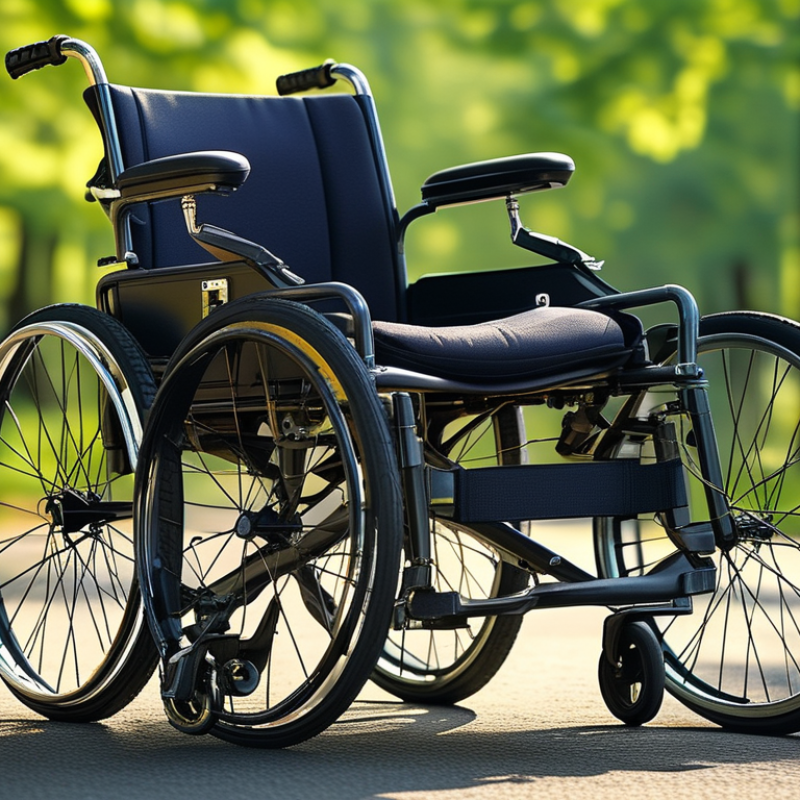
Manual wheelchairs have been a cornerstone for mobility for decades. They offer simplicity and versatility, making them popular among users of varying needs. A report by the National Institute on Disability, Independent Living, and Rehabilitation Research indicates that nearly 58% of wheelchair users prefer manual models for their daily activities. This preference often stems from ease of use and lower costs, alongside the physical benefits associated with self-propulsion.
The features of manual wheelchairs play a crucial role in their effectiveness. Lightweight frames contribute to easier maneuverability. Adjustable footrests and seats enhance comfort during long periods of use. Many users appreciate the opportunity to engage in physical activity, building upper body strength. However, some may find these chairs challenging for longer distances, requiring the assistance of caregivers. Attention should also be paid to the wheelchair's fit; an improper fit can lead to discomfort and long-term health issues.
Manual wheelchairs often come with customizable options, like different wheel sizes and colors, allowing for personal expression. Yet, they may lack certain technologies found in power chairs, which can be limiting for some users. The decision to choose a manual wheelchair involves weighing these benefits against potential drawbacks, ultimately reflecting individual lifestyle and mobility needs.
: Manual wheelchairs offer simplicity, versatility, and lower costs. They also help build upper body strength through self-propulsion.
Adjustable footrests and seats enhance comfort during long-term use. Proper fit is crucial to avoid discomfort.
Users may struggle with longer distances and may need caregiver assistance. An improper fit can lead to long-term health issues.
Manual wheelchairs often offer options like different wheel sizes and colors for personal expression.
Power wheelchairs provide powered assistance, making it easier to navigate various terrains, especially for those with limited upper body strength.
Power wheelchairs can be heavy and require regular maintenance. It's essential to balance convenience with care.
They are easy to use with a button, but controls can be confusing for some. Practice is necessary for confidence.
Battery life determines usage throughout the day. Carrying a backup charger can help in emergencies.
Always test the power wheelchair in a safe environment to ensure comfort and ease of use.
When considering mobility options, many ask, "What is the difference between manual and power wheelchairs?" Manual wheelchairs are typically lighter, allowing for easy transport and exercise benefits through self-propulsion. They are often more affordable but may require more physical stamina to operate. In contrast, power wheelchairs offer greater convenience, featuring electric motors that assist with navigation and maneuverability, ideal for individuals with limited upper body strength.
Key factors in choosing between these types include personal lifestyle, physical abilities, and the intended environment for use. For example, those living in active urban settings might prioritize the portability of a manual wheelchair, while individuals needing extended mobility support may lean towards the comfort and ease of a power wheelchair. Additionally, a cost analysis reveals that while manual options are usually less expensive upfront, power wheelchairs involve long-term investment considerations, including maintenance and battery replacements. Ultimately, the decision hinges on balancing personal needs with lifestyle choices.

 LDO Medical