Choosing the right bed for home care can be crucial for comfort and recovery. According to the National Institute on Aging, around 70% of older adults need assistance with daily activities. This often leads to the necessity for specialized beds. Experts like Dr. Emily Chen emphasize, "Understanding your needs is key when deciding how to choose between a home care bed and a hospital bed."
Home care beds cater to those seeking comfort at home. They often feature customizable positions and are designed for long-term use. On the other hand, hospital beds offer advanced functionality for medical monitoring and care. Yet, many families may feel overwhelmed by their options and the specific requirements of their loved ones.
When considering how to choose between a home care bed and a hospital bed, it’s essential to think about factors such as mobility, care needs, and overall space. Caregivers must reflect on the challenges they face. A lack of clarity on the right choice can lead to regrets later. Taking the time to make an informed decision ensures the best possible care for those in need.
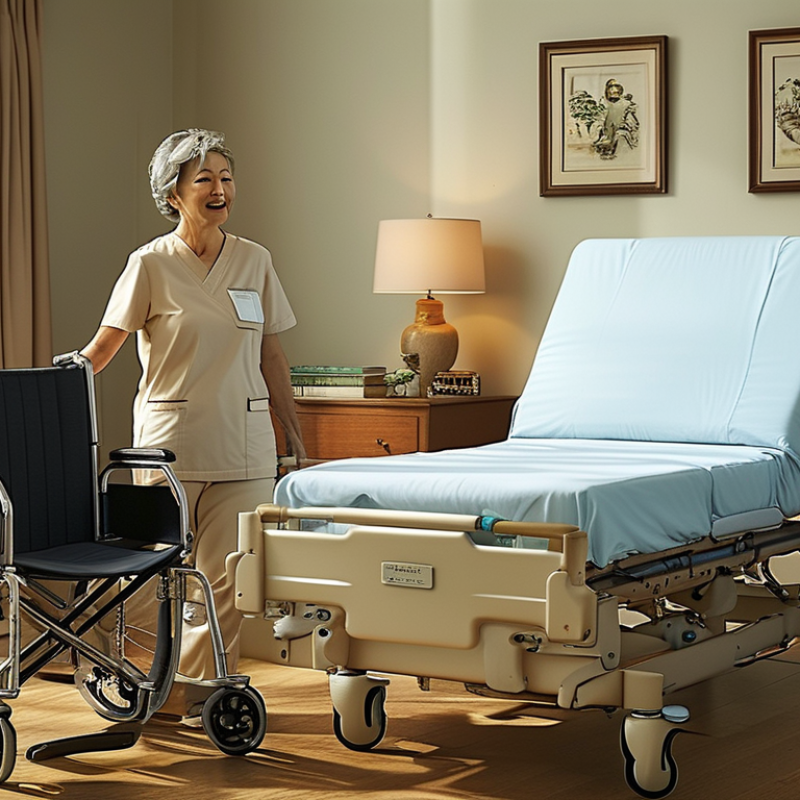
Home care beds and hospital beds serve different needs. Understanding their differences is crucial for making an informed choice. Home care beds typically offer adjustable features for comfort and convenience. They can raise the head or feet, adapting to individual patient needs. According to a study by the National Institute of Health, these beds enhance mobility and reduce caregiver strain in home settings.
On the other hand, hospital beds are designed for medical efficiency. They often include built-in safety features, like side rails, and can withstand intensive use. Research indicates that patients in hospital beds experience lower rates of pressure ulcers due to their specialized design. However, hospital beds may not provide the same level of comfort for long-term use compared to their home care counterparts.
When choosing between the two, consider factors like space, patient condition, and duration of use. Many caregivers overlook the importance of comfort, prioritizing medical features instead. This can lead to dissatisfaction over time. Thoughtful assessment of patient needs is essential for choosing the right bed type, ultimately impacting recovery and quality of life.
Choosing the right home care bed or hospital bed is crucial for comfort and health. One key consideration is the patient’s specific needs. Research indicates that nearly **70%** of patients benefit from adjustable beds. They provide necessary support for various conditions, especially for those recovering from surgery or managing chronic illnesses.
Another important factor is mattress quality. A 2022 report by the Healthcare Sleep Foundation highlighted that **85%** of hospital beds have specialized mattresses to prevent bedsores. This is crucial for long-term use. Patients with mobility issues may require a bed that allows for easy access and transfers. Not all beds come with these features, so it’s essential to evaluate options carefully.
Finally, consider the bed's height and weight capacity. Studies reveal that proper height can reduce caregiver strain by **30%**. Always ensure the bed accommodates both the patient’s weight and the caregiver's comfort. These details matter significantly in day-to-day care. Reflecting on these aspects can truly enhance both patient and caregiver experiences.
When choosing a hospital bed, certain features stand out. Focus on adjustability, which can enhance comfort. Look for beds that allow different positions. This way, users can find their ideal posture for resting or engaging in activities.
Safety should also be a priority. Beds equipped with side rails can prevent falls. Additionally, check the bed's weight capacity. A sturdy bed is crucial for ensuring safety and durability. Managing to balance comfort and safety often requires careful consideration of available options.
It's vital to assess the ease of use. An intuitive control system makes operation simpler, especially for caregivers. Beds with electric adjustments often provide more convenience. Think about how the bed fits into daily routines. Although options abound, not every feature may benefit everyone. Careful thought will lead to the right decision for individual needs.
| Feature | Description | Importance |
|---|---|---|
| Adjustable Height | Allows customization of bed height for easier access. | High |
| Side Rails | Provides safety by preventing falls. | High |
| Weight Capacity | Indicates the maximum weight the bed can support. | High |
| Mattress Type | Different types such as foam, gel, or air for comfort. | Medium |
| Mobility Features | Wheels or casters for easier movement. | Medium |
| Control Mechanism | Manual or electric options for adjusting bed position. | High |
| Durability | Material and construction quality for long-term use. | High |
| Budget | Cost range analysis based on features. | Medium |
When selecting a home care bed or a hospital bed, consider the patient’s comfort and mobility needs. A bed should support their daily activities. Proper positioning can greatly enhance comfort. Adjustable features allow patients to find their preferred angle. This is crucial for those with mobility challenges. Look for beds that can be easily modified. A bed that raises or lowers can make transfers easier.
Patient safety is another vital factor to consider. Ensure that the bed offers a sturdy frame and proper supports. Side rails can prevent falls. However, they can also pose risks if not used correctly. Regular evaluations of the bed's suitability are essential. Needs may change over time, requiring a reassessment of the selected bed.
Thoughtful considerations about materials and construction can influence overall satisfaction. Durable materials last longer, yet may feel different. Test the bed before purchasing to gauge its comfort level. Each individual has unique requirements. Documenting feedback from the patient can be invaluable. There’s no one-size-fits-all approach, so keep the conversation open and ongoing.
When considering a home care bed or a hospital bed, budgeting and insurance play crucial roles. The average cost for good quality beds ranges from $1,000 to $5,000. Many families find such expenses overwhelming. A report by the National Association for Home Care & Hospice highlights that 70% of families face financial stress related to home care needs.
Insurance coverage can vary significantly. Medicare may provide some assistance, but specific criteria must be met. Only certain medical conditions qualify for coverage. Often, confusion arises over what is deemed medically necessary. According to a survey by the American Association for Homecare, only 35% of patients understood their coverage options fully. This lack of clarity can lead to unexpected out-of-pocket expenses.
It's also vital to consider long-term costs. Will the bed need adjustments or additional accessories? Maintenance costs can add up. A study from the Journal of Medical Economics found that nearly 40% of families had to make significant post-purchase changes. Reflecting on these aspects is necessary. Understanding total costs upfront can lead to more informed decisions.
: Home care beds focus on comfort and adjustability, while hospital beds prioritize medical efficiency and safety features.
Adjustable features help patients find comfortable positions, especially those with mobility challenges, enhancing overall comfort.
A sturdy frame and side rails can prevent falls, but incorrect use can also pose safety risks.
Regular evaluations are essential. Patient needs can change, requiring reassessment of the chosen bed.
The average cost ranges from $1,000 to $5,000, which can be overwhelming for many families.
Insurance varies significantly, and not all conditions qualify for assistance, leading to confusion and unexpected expenses.
Maintenance and potential adjustments can lead to significant post-purchase expenses, so planning is vital.
Yes, many caregivers prioritize medical features over comfort, which can lead to dissatisfaction later.
Durable materials are important, but comfort can vary. Testing beds can help gauge satisfaction.
Continuous communication about comfort and needs helps ensure the bed suits individual requirements.
When considering how to choose between a home care bed and a hospital bed, it’s essential to understand the differences and key features that each type offers. Home care beds are typically designed for comfort and ease of use in a domestic setting, while hospital beds are focused on versatile functionality for medical care. Key considerations include the patient's mobility and comfort needs, as well as the specific health conditions that might necessitate certain features like adjustable height, side rails, or specialized mattresses.
Additionally, it's important to assess budgeting options and insurance coverage to ensure that the chosen bed fits both financial limitations and necessary medical requirements. Ultimately, the right bed can significantly enhance the quality of life for patients by improving comfort and accessibility, making informed choices critical for caregivers and families alike.

LDO Medical