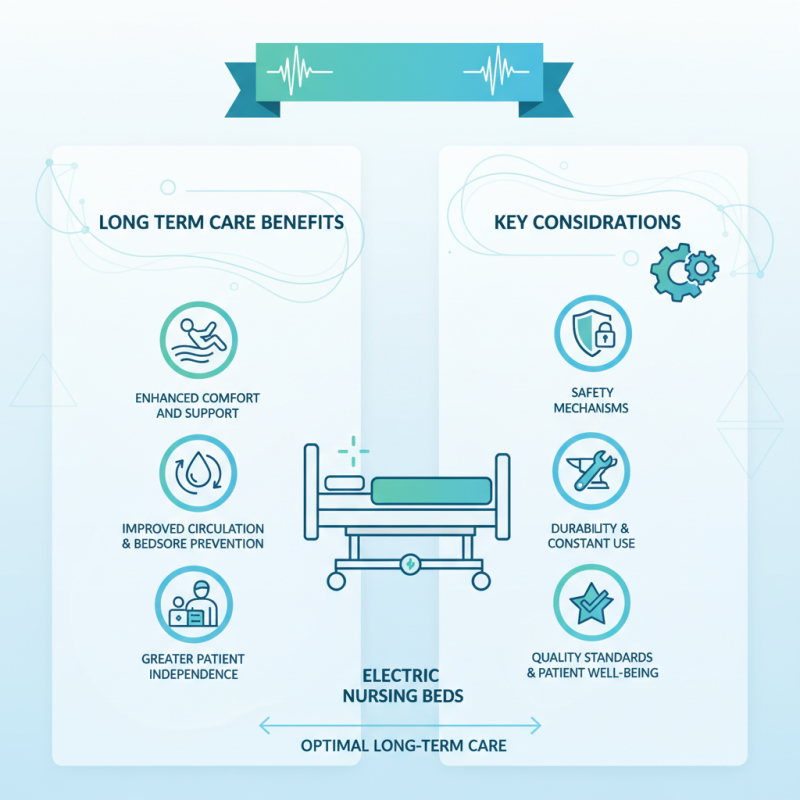
In the evolving landscape of long-term care, electric nursing beds play a pivotal role. These beds are designed to enhance comfort and support for patients with varying needs. Many caregivers are asking, "Why are electric nursing beds better for long-term care?" The answer lies in their versatility and improved functionality.
Electric nursing beds can easily adjust to different positions. This feature promotes better circulation and prevents bedsores. Patients have a higher level of independence, allowing them to manage their comfort without relying heavily on caregivers. Adjustable beds can cater to individual preferences, which is essential for long-term care.
However, not all electric nursing beds are created equal. Some might not feature the necessary safety mechanisms. Others may lack the durability required for constant use. It’s crucial to select a bed that meets quality standards. This choice impacts the patient’s overall well-being significantly. Electric nursing beds represent a viable solution but require careful consideration to ensure the best outcomes in long-term care settings.
Electric nursing beds play a vital role in long-term care settings. These beds are designed to enhance patient comfort and caregiver efficiency. A report from the National Institutes of Health found that improved bed design can reduce pressure ulcers by up to 50%. This statistic highlights the importance of choosing the right equipment for vulnerable populations.
Many caregivers appreciate the adjustable features of electric nursing beds. They make repositioning patients easier and safer. The ability to elevate the head or feet can aid in managing various medical conditions. Studies indicate that proper positioning on these beds leads to better patient outcomes. For example, patients with respiratory issues often benefit from an elevated head position.
However, not all electric nursing beds are created equal. The variability in features and pricing can be overwhelming. Ensuring beds meet safety standards is essential for long-term care facilities. Some reports suggest that inadequate bed features can lead to accidents. Therefore, ongoing staff training and equipment assessments are crucial. Regular evaluations can highlight areas for improvement. This proactive approach can significantly enhance the quality of care provided.
Choosing the right electric nursing bed is essential for long-term care. The best models for 2026 must include key features that enhance comfort, safety, and usability. A report by the Global Health and Elderly Care Research Institute highlights that 80% of caregivers find adjustable beds significantly reduce physical strain during patient transfers. This adjustment capability is crucial for both patients and caregivers.
Additionally, the best electric nursing beds offer built-in safety features. These include side rails, automatic stop functions, and emergency power backup. Data indicates that beds equipped with these safety elements can reduce incident rates by nearly 40%. This statistic shows a notable commitment to patient safety and caregiver confidence.
Comfort is another area that deserves attention. High-quality mattresses can prevent bedsores, a common issue in long-term care settings. Bed mattresses should have multiple firmness settings, allowing personalized comfort. However, some beds do not provide proper support, leading to discomfort or health issues. Many facilities overlook this vital aspect, impacting overall care quality. A thorough evaluation of mattress quality is crucial in decision-making.
Electric nursing beds offer significant benefits for both patients and caregivers. These adjustable beds allow patients to change positions easily. This feature can help prevent bedsores and improve circulation. In addition, the ability to raise or lower the bed helps caregivers perform tasks with less strain. Caregivers report less back pain and fatigue, as these beds reduce awkward bending and lifting.
For patients, electric nursing beds enhance comfort and independence. Many beds come with adjustable features that accommodate individual needs. Some patients can even control the bed with a simple remote. This autonomy can greatly improve their emotional well-being. They often feel more in control of their care environments. However, not all electric beds are created equal. Some models may lack essential features or durability. Research is crucial before making a decision.
While electric nursing beds provide many advantages, they have downsides. The initial cost can be high. Maintenance may also be required over time. Users should reflect on the long-term investment versus immediate benefits. Understanding these dynamics helps ensure the best choice for long-term care. Balancing comfort, functionality, and costs is essential.
When considering electric nursing beds for long-term care, cost is a primary factor. A 2023 AARP report indicates that annual costs for nursing home care can exceed $100,000. Electric beds, while a higher initial investment, may reduce overall care expenses. They enhance patient comfort and mobility, potentially lowering associated caregiving costs.
Budgeting for these beds requires careful planning. Standard electric nursing beds range from $1,500 to $5,000. Specialized models may cost more. Be aware that hidden expenses, like maintenance and mattress replacements, can add to this. It's wise to allocate funds for accessories like side rails or pressure relief mattresses. These items can further enhance safety and comfort.
**Tip:** Always compare the long-term benefits of electric beds to traditional options. Enhanced functionality could lead to lower medical expenses over time.
**Tip:** Consider your care plan. Assess whether investment in electric beds aligns with your long-term care needs. Reflect on potential changes to those needs.
This chart illustrates the average cost (in USD) of various electric nursing beds along with their feature ratings based on long-term care benefits.
The landscape of electric nursing bed technology is evolving. By 2026, we expect significant innovations aimed at enhancing patient care. Industry reports indicate a rise in demand for smart beds, which integrate health monitoring. These beds can detect changes in vital signs, alerting caregivers quickly. According to a study by the International Journal of Nursing Studies, over 70% of healthcare providers see technology as pivotal in improving patient outcomes.
Design trends also reflect an emphasis on user experience. Adjustable features are becoming standard, making it easier for patients to find comfortable positions. With 40% of aged care facilities reporting issues with traditional beds, these innovations address real needs. However, challenges remain. Many facilities still lack the budget for modern equipment. The gap between high-tech designs and affordability needs more focus.
As we move forward, integration with telehealth is anticipated. Bedside devices may soon allow for real-time patient assessments, reducing the need for frequent staff checks. However, this raises questions about data security and patient privacy. Balancing innovation with ethical considerations is crucial. The future of electric nursing beds lies in responsible development that prioritizes both care and safety.
| Model | Weight Capacity (lbs) | Adjustable Features | Comfort Level | Price Range ($) | Warranty (Years) |
|---|---|---|---|---|---|
| Model A | 600 | Head & Foot Elevation | High | 1500 - 2000 | 5 |
| Model B | 500 | Full Adjustable | Medium | 1000 - 1500 | 3 |
| Model C | 400 | Height Adjustment | High | 1200 - 1800 | 4 |
| Model D | 450 | Zero Gravity & Trendelenburg | Very High | 2000 - 2500 | 6 |
| Model E | 700 | Massage & Heat | High | 1800 - 2300 | 5 |
: Electric nursing beds enhance patient comfort and caregiver efficiency in long-term care settings.
Proper positioning on these beds can lead to better patient outcomes, especially for those with respiratory issues.
Look for adjustable features, built-in safety elements, and high-quality mattresses for comfort and safety.
Safety features can reduce incident rates significantly, ensuring both patient safety and caregiver confidence.
Poorly designed beds can lead to accidents and discomfort, which impact overall care quality.
Ongoing staff training is critical for ensuring proper use and maximizing the benefits of these beds.
Yes, there is a wide variability in features and pricing, making choices overwhelming.
High-quality mattresses can prevent bedsores, but many facilities overlook mattress quality.
Many beds offer emergency power backups and automatic stop functions to enhance patient safety.
Regular evaluations and assessments are crucial for identifying areas needing improvement and enhancing care quality.
Electric nursing beds play a crucial role in enhancing the quality of care in long-term settings, providing numerous advantages for both patients and caregivers. These beds are designed with numerous key features that prioritize comfort and accessibility, such as adjustable height, various positioning options, and safety mechanisms. The primary benefits of using electric nursing beds include improved patient mobility, reduced strain on caregivers, and better overall patient outcomes, leading many to ask, "Why are electric nursing beds better for long-term care?"
When considering the cost of these beds, budgeting plays a vital role in ensuring that healthcare facilities can provide optimal care while managing expenses effectively. As technology evolves, we can expect to see future trends in electric nursing bed designs that will further enhance functionality and comfort, solidifying their position as a superior choice for long-term care solutions.

LDO Medical